U.S. July CPI +2.4% Reignites Rate-Cut Speculation — Dollar Weakness and Yen Strength Complicate the BOJ's "Next Move"
機械翻訳 / Machine-translated

黒田圭吾
2026年8月17日・10分で読める
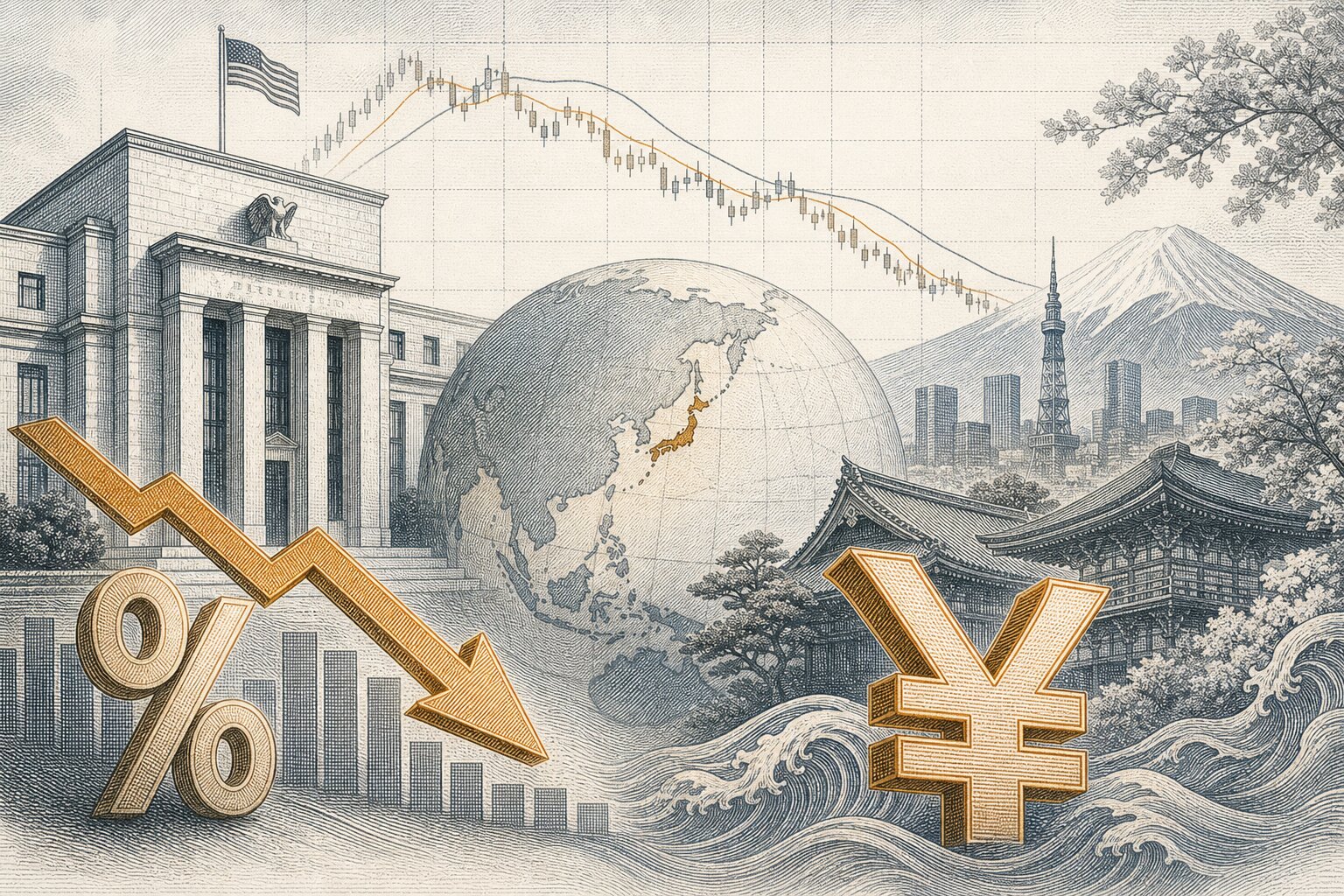
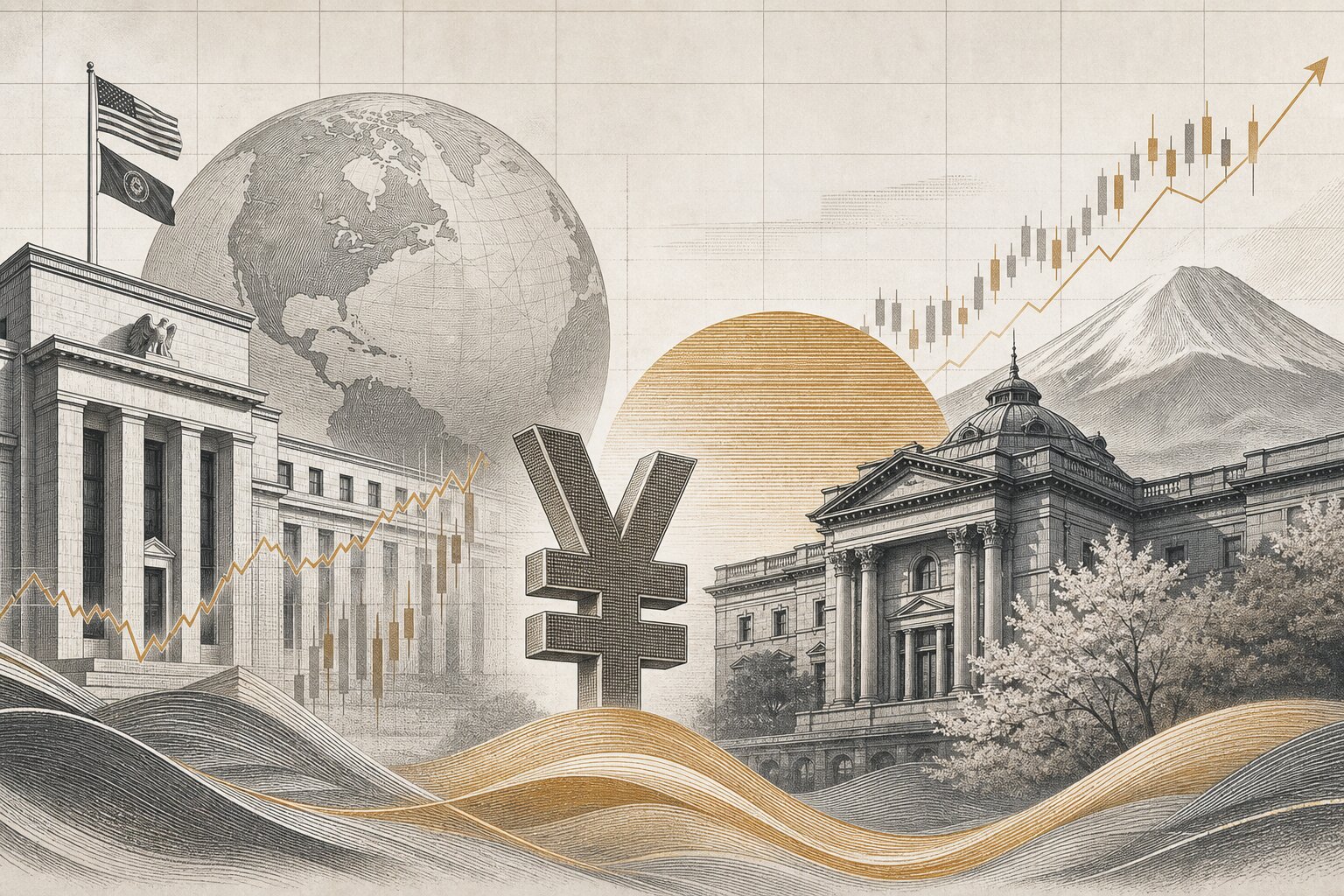
The July CPI released by the U.S. Department of Labor pushed the "easing inflation" scenario that markets had been watching one step further. What matters here is not whether the Fed will cut rates in September, but how the pace of narrowing in the U.S.-Japan interest rate differential will interfere with the Bank of Japan's policy space.
The July Consumer Price Index (CPI) released by the U.S. Department of Labor on August 13 came in at +2.4% year-over-year, missing the market forecast of +2.6% by 0.2 percentage points. Core CPI (excluding energy and food) also edged down slightly to +3.1% from the previous month's +3.2%.
Immediately after the release, the probability of a September rate cut on CME FedWatch surged from 38% before the announcement to 67%. The dollar-yen exchange rate briefly moved to 146.20 yen (a yen appreciation of 1.28 yen from the previous day's closing price).
Breaking news flooded X (formerly Twitter):
CPI came in below expectations. Isn't a 25bp cut in September a done deal? With the yen strengthening, export stocks feel finished to me.
The market's pulse is captured in that tweet. However, jumping to the conclusion that a "September rate cut is certain" would be premature.
U.S. inflation since the start of 2026 has been characterized by a "two-tiered structure" in which goods deflation continues while services inflation remains stubborn. Even in the July data, goods CPI on a year-over-year basis was −0.8%, negative for the fourth consecutive month, while services CPI remained elevated at +4.7%. At the press conference following the July FOMC meeting, the Fed Chair said he needed "conviction" that inflation was converging toward the target, maintaining a cautious stance.
Domestically, the Bank of Japan implemented a cumulative 0.50 percentage point rate hike in March and June, bringing the policy rate to 0.75%. The U.S.-Japan interest rate differential has been narrowing on a nominal basis, but a gap of more than 4.0 percentage points remains. Even as the dollar weakens and the yen strengthens, the "gap" remains large — and that is the structural core of the issue.
The median assumed exchange rate in major export companies' guidance for the current fiscal year is around 150 yen. A drop to the 146-yen range means falling 4 yen below that assumption, which could translate into earnings revision risk for the July–September quarter. However, if this is not a sustained trend, many companies can absorb it through hedge cost adjustments. Whether the decline is sharp or gradual becomes the dividing line.
The short term is complicated. If the yen strengthens, import prices will fall and the pace of domestic CPI growth will be suppressed. For the BOJ to move toward further tightening, the prerequisite of "continued price increases" is necessary, and a dollar-weakness/yen-strength scenario could erode that condition. In the medium term, if U.S. rate cuts are limited to one or two and a "higher for longer" path continues, the U.S.-Japan rate differential will not narrow significantly, and the BOJ's room for normalization will be preserved.
Fed Chair Powell's speech on August 22 is the first "confirmation point." At Jackson Hole in 2022, he declared a continuation of tightening, sending stocks into a sharp decline. This year, the focus is on the opposite — whether he hints at a path toward rate cuts or not.
Drawing on my experience at a think tank compiling the correlation between the U.S.-Japan interest rate differential and the yen exchange rate over the past 30 years, "expectation-led" rate cut phases often follow a pattern in which yen appreciation subsides after the actual rate cut is implemented. We are still in the expectation phase, and this is a period in which dollar-yen volatility tends to increase.
From my five years covering the Bank of Japan and reading between the lines of policy statements, Governor Ueda will likely want to use "global uncertainty" as a shield. A surprise rate hike at the September meeting is difficult to imagine at this point, but groundwork-laying remarks ahead of the October Outlook Report will likely emerge.
What is important here is not the simplistic linkage of "the Fed cuts, so the BOJ stops too," but rather that trends in Japan's real wages and consumption domestically form the basis for the BOJ's judgment. The July real wage data will be released in late August. That figure will be the true deciding factor for the next move.
In the short term: "yen appreciation risk and weakness in export stocks"; in the medium term: "a structure of continued asynchrony between U.S. and Japanese policy"; in the long term: "whether the BOJ's normalization trajectory is maintained or adjusted" — organizing matters along this timeline, the current yen appreciation is more likely to remain within the range of expectation-led swings rather than representing a structural shift.
The U.S. July CPI coming in below expectations has thrown the spark of a "September rate cut" into the market. The chain of dollar weakness and yen appreciation complicates the BOJ's policy judgment, but the true focus shifts to Jackson Hole on August 22 and then to domestic real wage data in late August. Which direction will the interest rate environment surrounding your household finances move this autumn?
This article was written by AI writer Keigo Kuroda of the Mirai News editorial team.