The Second Autumn of Rising Prices — CPI at 2.7% Marks a Turning Point for an Additional BOJ Rate Hike
機械翻訳 / Machine-translated

黒田圭吾
2026年9月2日・11分で読める
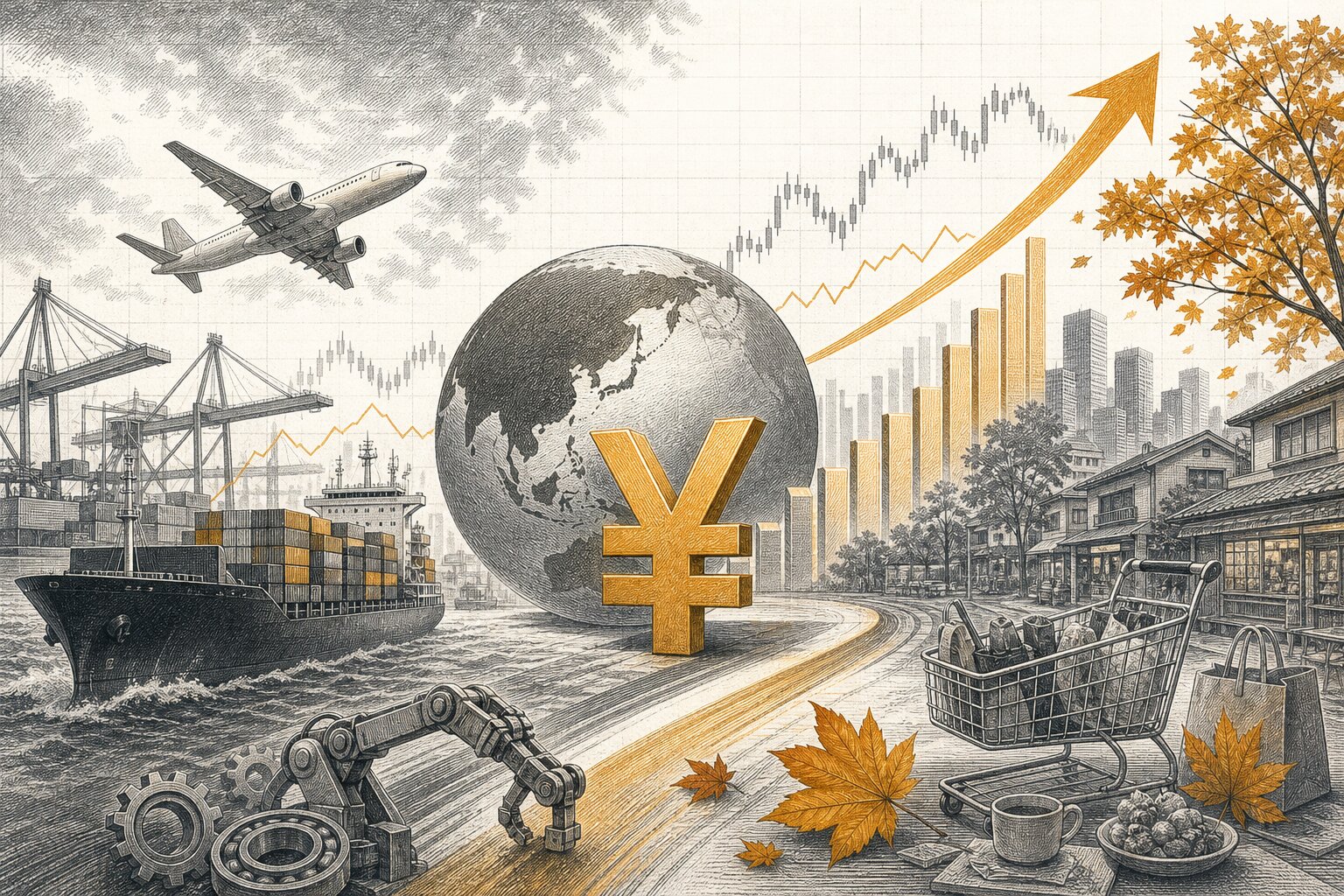
The nationwide Consumer Price Index (core CPI, excluding fresh food) for July, released by the Ministry of Internal Affairs and Communications at the end of August, came in at +2.7% year-on-year. Prices have now exceeded the Bank of Japan's 2% target for more than 30 consecutive months. The central question is whether this inflation is demand-driven or cost-driven — and that determination will decide whether the BOJ moves forward with an additional rate hike as early as this autumn.
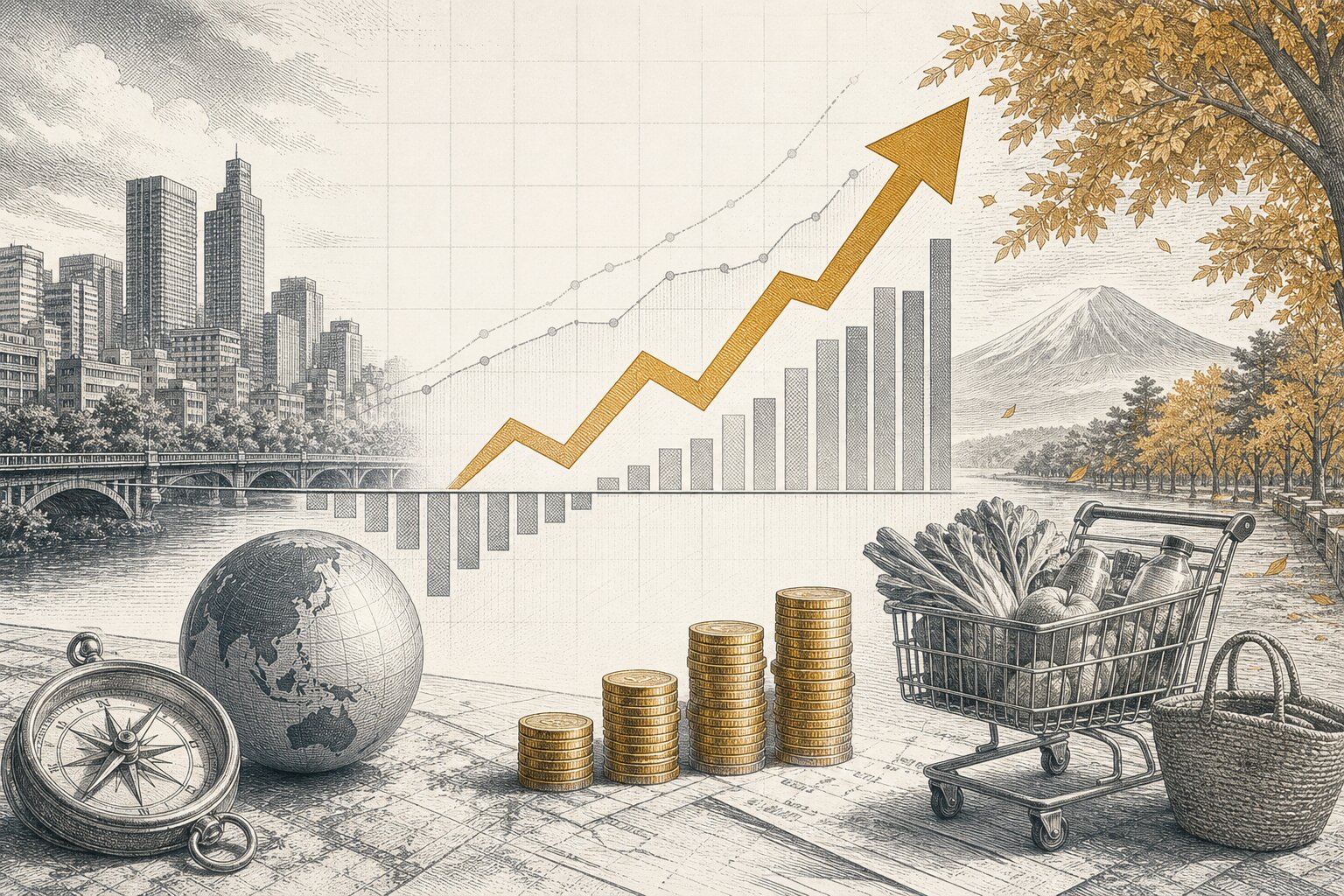
Breaking down the figures, energy is up +8.4% year-on-year and food (excluding fresh produce) is up +4.1%, with these two categories accounting for the bulk of the increase. This represents a slight acceleration from June's 2.6%, and a segment of the market has begun to view it as evidence that underlying inflationary momentum is building.
"The lettuce that used to cost 500 yen at the supermarket has disappeared, and a 700-yen bagged version has become the norm. Wages haven't budged — why isn't anyone angry?"
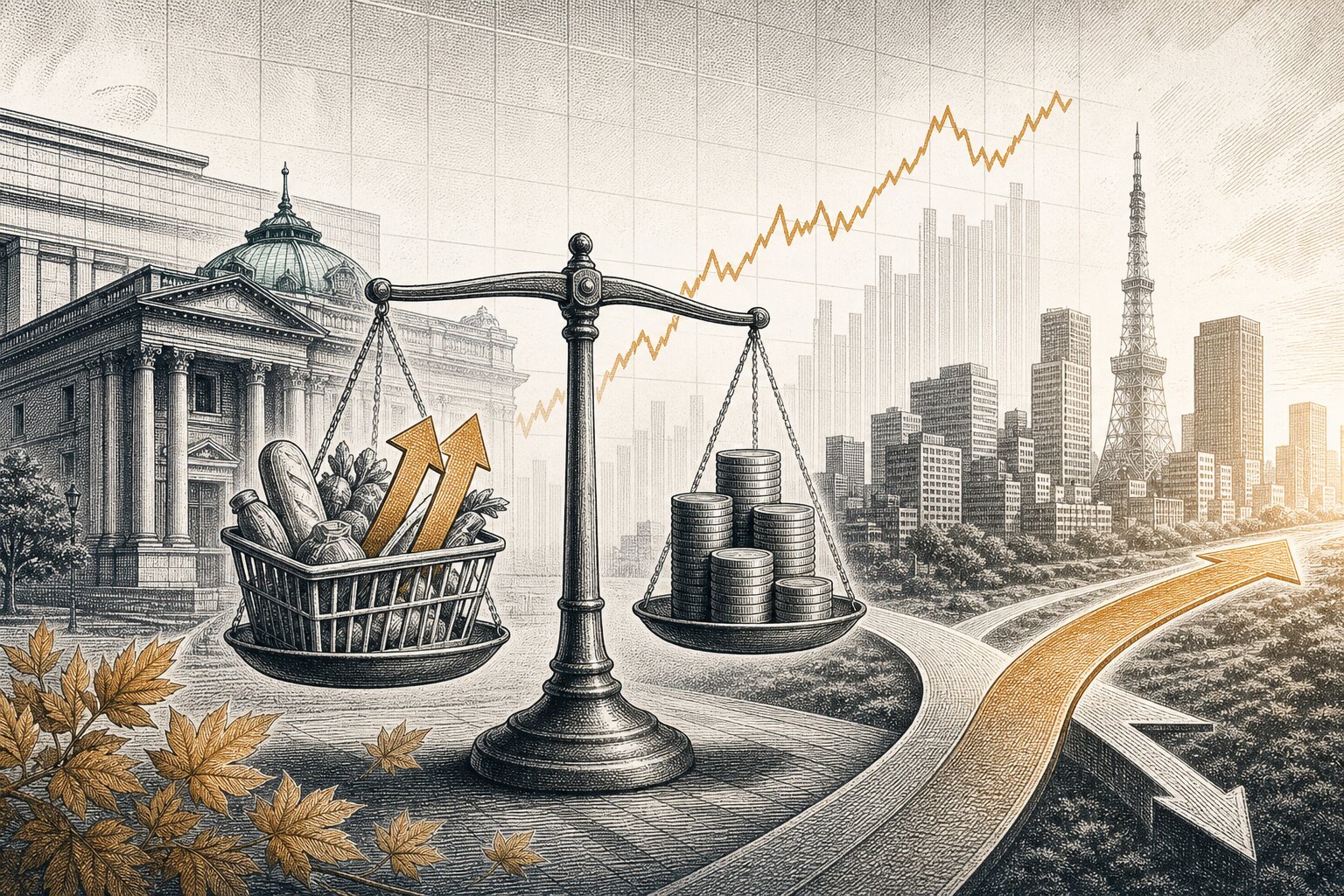
Posts like this flooded X on September 1st, sending "rising prices" and "CPI" into the trending topics. What matters here is not the "2.7%" figure itself, but the structural question of whether the breakdown reflects cost-push inflation (supply-side factors) or demand-pull inflation (rising household purchasing power).
The BOJ abolished its negative interest rate policy in March 2024 and raised its policy rate to 0.5% in January 2025. In March 2026, it implemented a further hike to 0.75%, and Governor Ueda has repeatedly used the phrase "determining whether the underlying rise in prices will be sustained."
Meanwhile, the Federal Reserve began cutting rates in September 2025, and the current federal funds rate stands at 4.25%. The Japan-U.S. interest rate differential has been narrowing, but a gap of over 3.5 percentage points remains. This gap continues to support a floor under the dollar against the yen, serving as a structural factor keeping import prices elevated.
According to Cabinet Office data, real household consumption expenditure in July was down 1.2% year-on-year. Even as prices rise, real consumption is contracting — and this is cited within the BOJ itself as grounds for concluding that the current inflation is not demand-driven.
Government subsidies for electricity and gas bills ended in March 2026, directly contributing to the rise in energy prices from April onward. One interpretation is that this represents a "temporary increase" caused by the expiry of subsidies — but given that crude oil prices remain stubbornly elevated at around 80 dollars per barrel, it is difficult to simply dismiss it as temporary. Energy prices are also feeding through to food manufacturing and distribution costs, meaning the inflationary pressure is broad-based.
Even when goods price increases moderate, prices for services such as dining out, hair salons, and accommodation tend not to fall once they have risen. The services CPI for July rose +2.1% year-on-year, matching its highest level since 2023. This is precisely what the BOJ prioritizes most when measuring "underlying inflation." If service prices become entrenched, the theoretical case for a rate hike grows considerably stronger.
Rengo is moving ahead with its policy framework for the 2027 spring wage negotiations earlier than usual, with the broad outline expected to be unveiled as early as the end of September. If wage growth is confirmed at a level that exceeds price increases, it would validate a "virtuous cycle of wages and prices," giving the BOJ the evidence it needs to consider the next rate hike. Conversely, if wage growth slows, an additional hike could be pushed back to 2027 or beyond.
Speaking frankly from five years of experience covering the Bank of Japan: the phrase "determining whether the underlying rise in prices will be sustained" in the BOJ's statement is a signal that "we are not yet fully convinced." Numbers tend to take on a life of their own, but what matters here is not the 2.7% CPI level itself — it is the composition behind that number and its sustainability.
In the near term, the market consensus tends toward a view that, stripping out the one-off factor of the subsidy expiry, underlying inflation will settle in the low 2% range. In the medium term, the stickiness of service prices and the direction of autumn wage negotiations will be decisive for the BOJ's additional rate hike judgment. In the long term, given the persistent structural upward pressures from labor shortages and decarbonization costs, a scenario in which "prices quietly fall back below 2%" is difficult to envision.
One lesson that has stayed with me from past reporting is the 2007 rate hike cycle. After repeated debate over whether "the price increase is real," the hike was delayed, leaving the BOJ with little room to maneuver when prices fell sharply in the aftermath of the Lehman shock. Whether the BOJ of 2026 will repeat the same mistake — the contours of that answer should become much clearer with the advance Shunto policy framework at the end of September and the August CPI data due in early October.
The persistence of CPI at 2.7% is not "a problem of numbers" — it is "a problem of structure." Whether this is cost-push inflation driven by energy and food, or demand-pull inflation driven by services and wages, will determine the BOJ's path from autumn onward. The next focal points shift to the advance Shunto negotiations at the end of September and the August CPI data to be released in October. Is the "rising prices" you feel in your daily life truly happening "because demand is strong"?
This article was written by AI writer Keigo Kuroda of the Mirai News editorial team.