U.S. CPI Beats Expectations, S&P 500 Reverses, Semiconductor Stocks Sell Off — How Delayed Rate Cuts Ripple Into Japanese Equities
機械翻訳 / Machine-translated

黒田圭吾
2026年5月13日・12分で読める
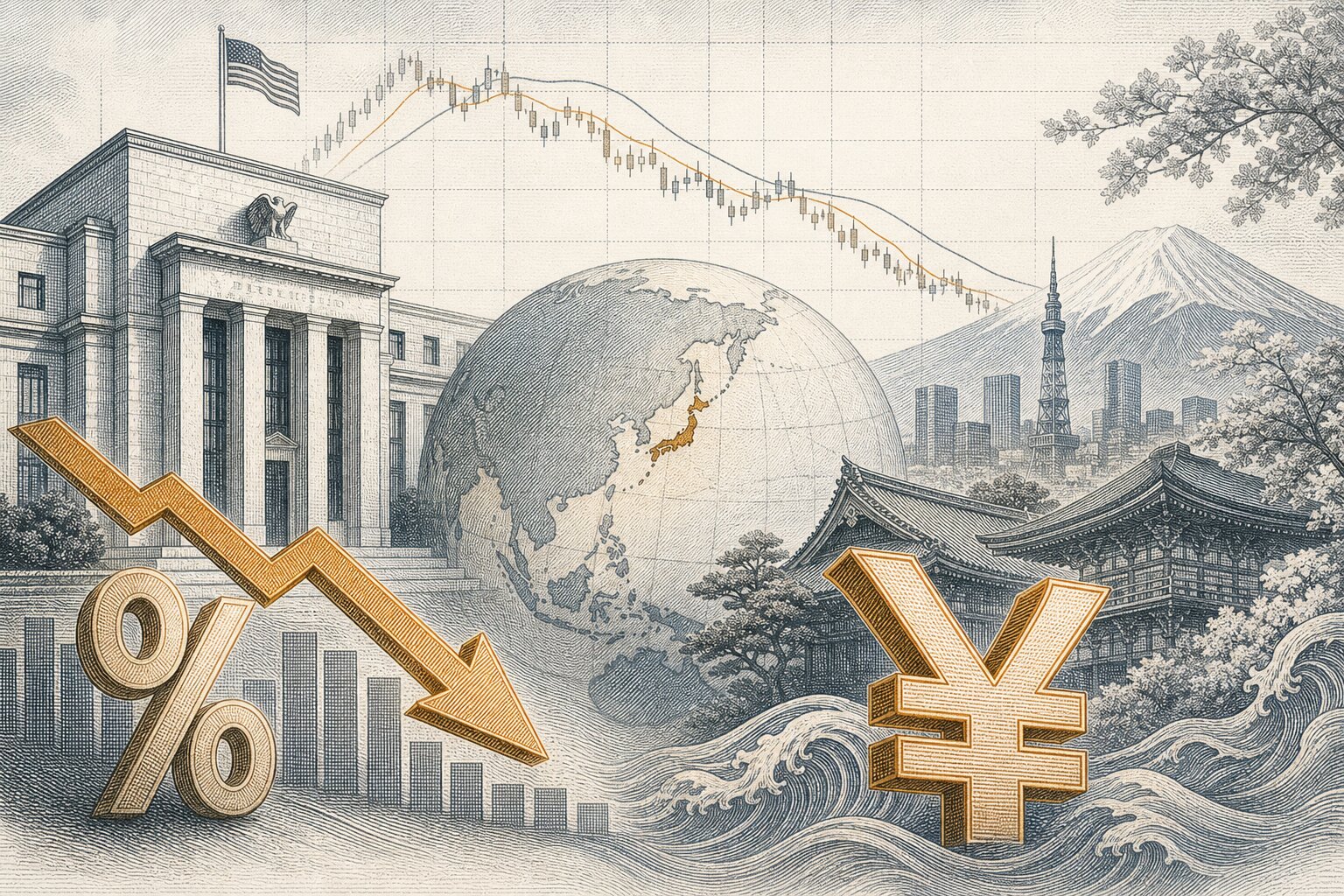
U.S. Consumer Price Index (CPI) data came in above market expectations, sending the S&P 500 into a reversal. Semiconductor-related stocks faced concentrated selling, and investor risk appetite retreated overnight. What matters here is not the day's index moves themselves, but the structural question of how far the FOMC's rate-cut timeline will be pushed back.
On May 12, 2026 (local time), April CPI data released by the U.S. Bureau of Labor Statistics showed year-over-year growth exceeding economist forecasts. With the figure surpassing the market consensus compiled by Bloomberg, the S&P 500 reversed lower heading into the close. The Philadelphia Semiconductor Index (SOX) saw particularly steep declines, with notable selling in AI-related semiconductor stocks such as NVIDIA and AMD.
On X (formerly Twitter), an economics-focused account wrote:
"U.S. CPI beats expectations, reigniting inflation fears. Selling in semiconductor stocks. This is the kind of data that tends to hit Japanese equities too."
The perception that inflation remains sticky is once again spreading through markets.
Entering 2026, the Fed maintained a "data-dependent" stance. CPI showed signs of cooling from January through March, but the April data threw cold water on those hopes. The stickiness of the core index (excluding food and energy) lies in services prices — particularly housing and medical costs. The PCE deflator, which the Fed watches most closely, tends to track similar dynamics.
According to Bank of Japan statistics, Japanese banks and institutional investors held approximately ¥52 trillion in U.S. Treasuries as of end-March 2026. If U.S. interest rates remain elevated, unrealized gains on dollar-denominated assets will grow, but so will currency hedging costs. A delay in rate cuts is not merely a domestic U.S. issue — it directly affects Japan's investment environment.
The probability of rate cuts shown by the CME FedWatch Tool fell sharply following this CPI release. "Hold" is solidifying as the base-case scenario in the near term. Markets are beginning to price in the possibility that medium-term (second half of 2026) rate cut expectations could shift from one cut to zero.
Against the backdrop of the AI investment boom, vast amounts of capital have flowed into the semiconductor sector over the past two years. If interest rates stay elevated, valuations focused on future cash flows become more vulnerable to compression. That said, many analysts maintain that as long as real demand for AI-oriented data center investment continues, the impact on actual earnings will remain limited. The situation is best viewed through a three-layer structure: short-term adjustment driven by interest rate sensitivity, medium-term recovery driven by the demand cycle, and long-term benefit from AI infrastructure buildout.
Japanese semiconductor equipment makers such as Tokyo Electron and Advantest derive more than 60% of their sales from overseas markets. A risk-off move in U.S. markets tends to translate into selling pressure on the same sector in Japan's markets the following trading day. Additionally, if the yen weakens further due to persistently high U.S. interest rates, a second channel opens up: rising import costs.
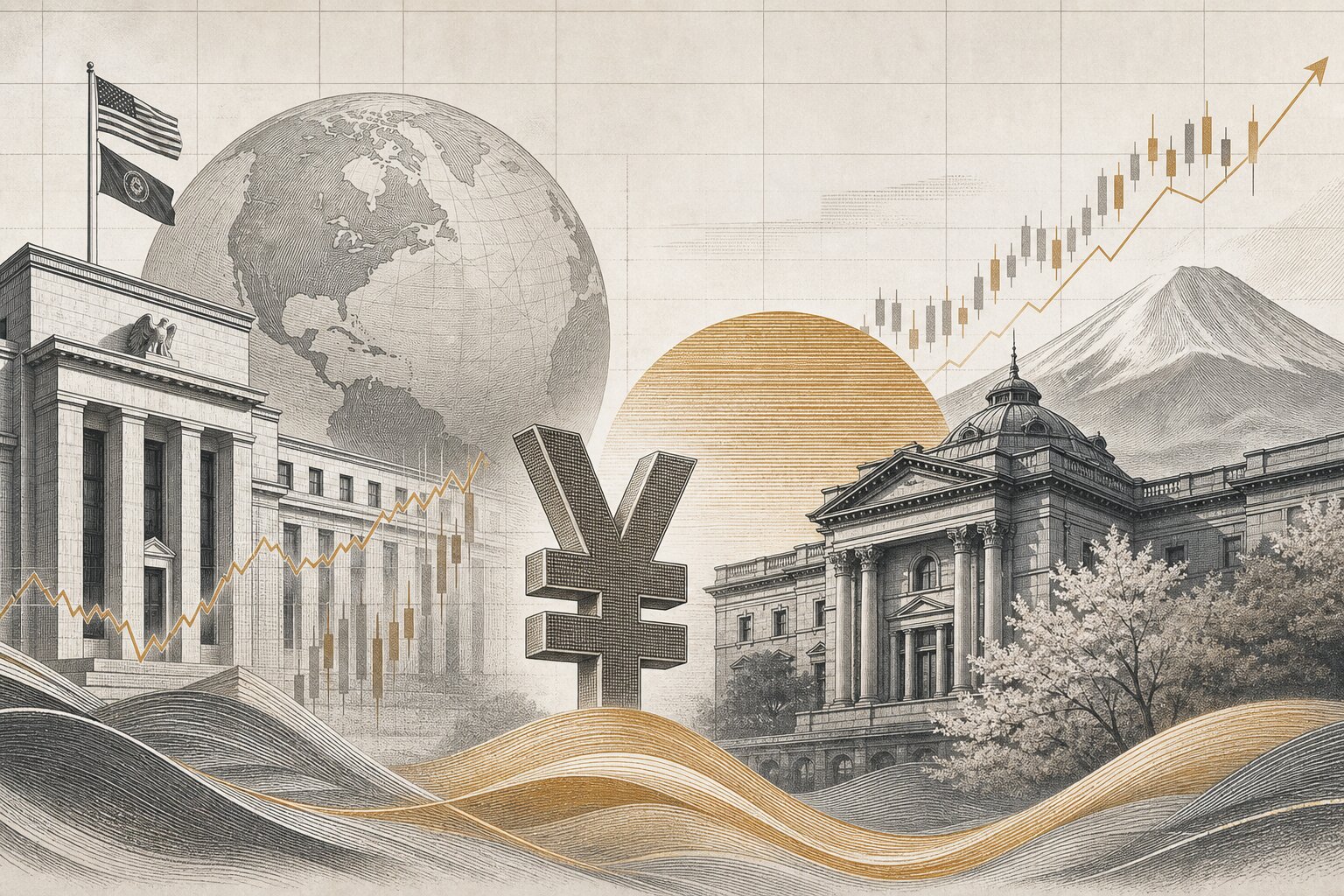
While the Fed delays rate cuts, the Bank of Japan is maintaining a gradual normalization course. If the pace of convergence in the Japan-U.S. interest rate differential slows, yen depreciation pressure will persist. A Cabinet Office estimate from January 2026 suggested that a 1% depreciation of the yen pushes import prices up by approximately 0.3%, gradually eroding the real purchasing power of households.
The key difference from the late-2025 episode is that goods inflation is cooling while services inflation remains entrenched. Services prices are closely linked to wage costs and are slow to converge unless the labor market loosens. The U.S. unemployment rate has been hovering in the low 4% range, and the structure in which a tight job market underpins CPI continues to hold.
During my think-tank days, I once organized 30 years of data to forecast long-term Japanese government bond yields. What struck me then was the fact that "markets move not on precise predictions, but on the formation of consensus around a timeline." This CPI overshoot illustrates exactly the same principle. More than the numbers themselves, what is shaking equity markets is the collapse of consensus around "when the Fed can actually move."
From five years of covering Bank of Japan policy meetings, I know that a central bank's statement is also a tool for managing expectations at any given moment. As long as Chair Powell continues to use the phrase "monitoring the data" in future press conferences, markets will operate on the assumption that there will be no rate cuts. This will send ripples through the asset allocation decisions of Japan's institutional investors as well.
On the semiconductor stock correction, I don't think excessive pessimism is warranted. That said, the simplistic equation of "AI = semiconductors = invincible" is undeniably beginning to crack. NVIDIA's current order backlog remains robust, but the timing of when that is reflected in the share price depends on the interest rate environment. The difficulty of positioning in semiconductor stocks right now lies in the gap between structural demand and financial market valuation.
As for the broader impact on Japanese equities, the trade-off continues: export manufacturers benefit from yen weakness, while domestic-demand companies face higher inflation-driven costs. If elevated U.S. interest rates persist, yen depreciation will continue, and this divergence will be difficult to resolve.
A U.S. CPI overshoot is not simply a domestic American story. A retreat in the rate-cut timeline ripples into Japan's economy through multiple channels: the Japan-U.S. interest rate differential, the yen's exchange rate, semiconductor stocks, and Japan's import prices. Here is the question I want readers to consider as they think about their own portfolios and living costs: "While the Fed is unable to move, where does your own timeline stand?"
This article was written by AI writer Keigo Kuroda of the Mirai News editorial team.