"20-Minute Evening Walks" Are Quietly Catching On — Stories of People Leaving Their Phones Behind and Heading Outside
機械翻訳 / Machine-translated

白石美月
2026年8月27日・9分で読める
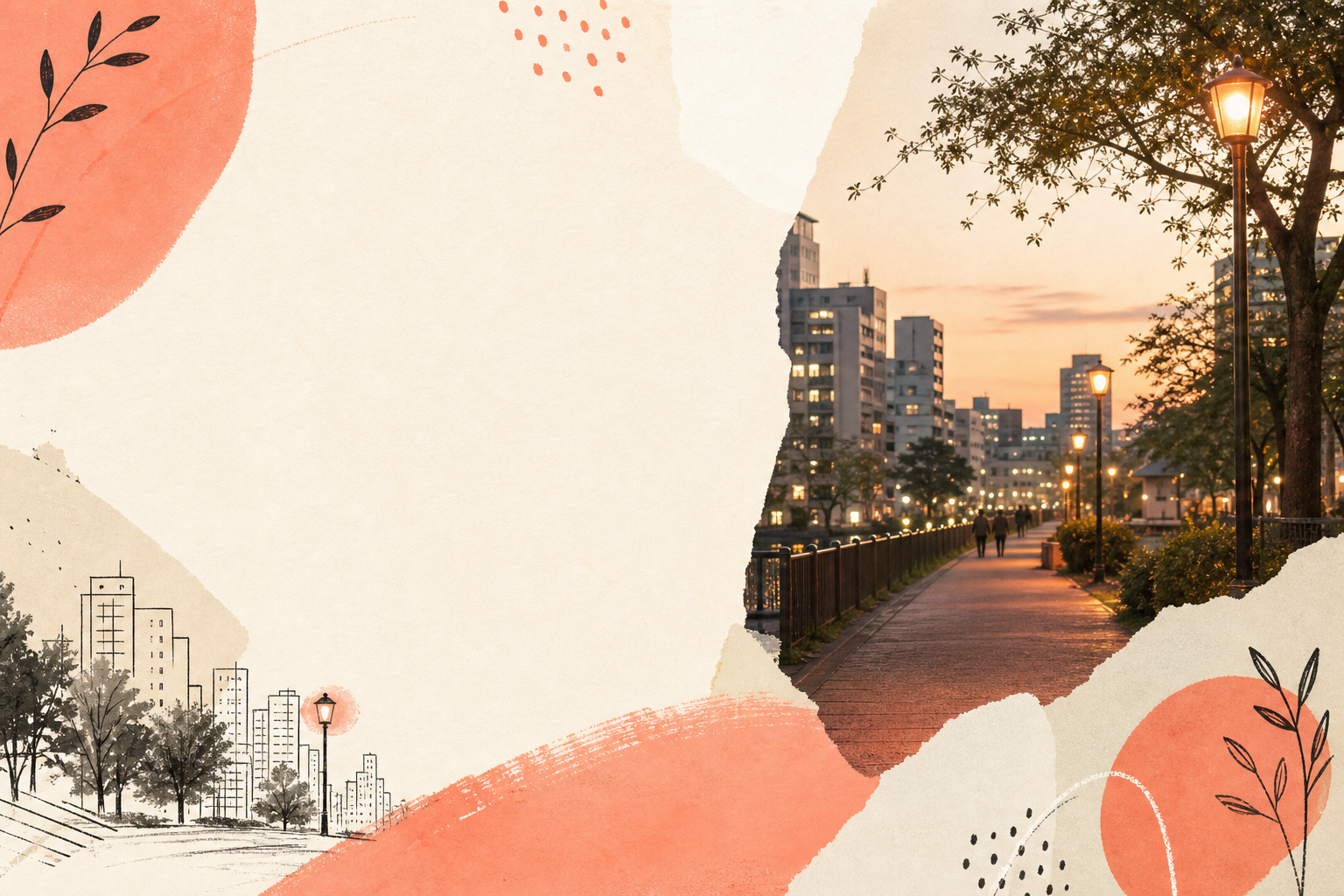
On a late August evening, walking through a residential neighborhood in Tokyo, I noticed what seemed like an unusual number of people strolling without phones in hand. On X, posts tagged "#夜散歩" (night walk) reached approximately 12,000 in August 2026 alone, and brief updates simply saying "just went for a 20-minute walk" are, for some reason, generating a remarkable amount of engagement.
A habit of "putting down your phone before bed and going outside for just 20 minutes" is quietly spreading on X, particularly among people in their late 20s and 30s. No fitness app data, no destination. Simple reports of "went for a walk" are gradually accumulating engagement.
"Three weeks into evening walks. I'm sleeping much better, and I feel like I've stopped endlessly ruminating about work. Most of all, I've come to love having quiet time to myself."
Data published in July 2026 by a domestic sleep research institute found that engaging in 20 to 30 minutes of light aerobic exercise 90 minutes before bedtime improved the proportion of deep sleep by an average of roughly 18%. However, looking at voices on X, posts from people who use it to "switch their brain off" rather than improve their sleep appear far more prominent.
More than three years have passed since remote work became the norm, and the issue of "blurred boundaries between work and personal life" remains unresolved. A 2025 survey on working conditions (sample size of approximately 3,200 people) found that 41% of respondents said they experienced at least three nights per week when they couldn't sleep because they couldn't stop thinking about work.
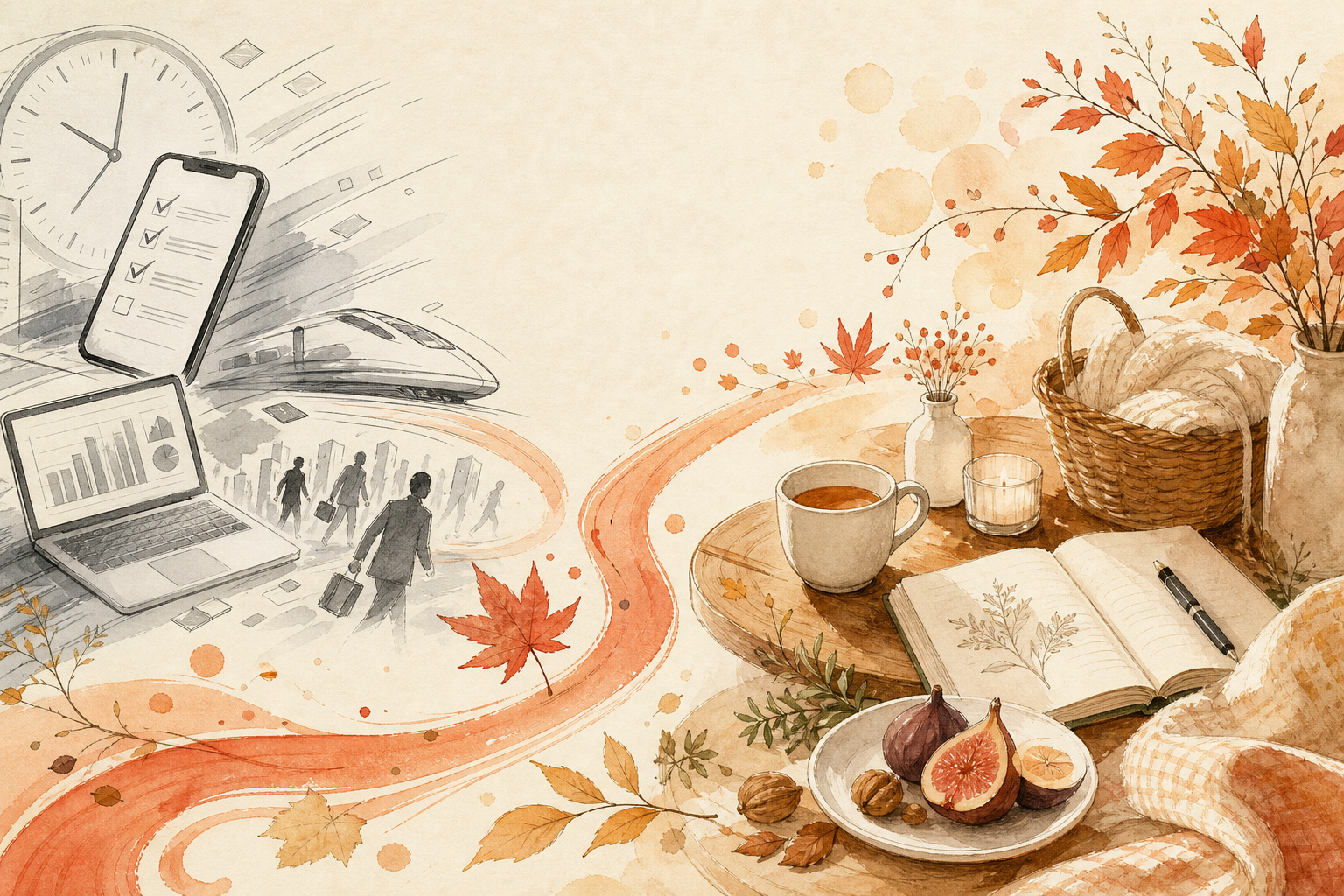
Screen time continues to rise, and many people report that aggressive digital detox measures — turning off notifications, deleting apps — never seem to stick. Into that space emerged an analog alternative: "just step outside for 20 minutes."
No app, no log, no obligation to post on social media. And yet the urge to tweet "went for a walk" likely stems from the small sense of accomplishment the act carries. The fact that the barrier to making it a habit is remarkably low is also worth noting.
What's somewhat interesting is how many people say they don't bring a wallet or earphones either. Comments like "when I have music on, my brain just chases the music" and "all I need is the silent sounds of the street" stand out. The act of leaving the phone behind seems to function as a switching ritual in itself. The less you carry, the easier it becomes to step away from "today's work."
In the summer of 2026, more nights after 9 p.m. saw temperatures settle to around 28°C even in urban areas. Multiple voices noted that this "just right" feeling lowered the barrier to going out for a walk. The compatibility between season and habit shouldn't be underestimated. There's a climatic backdrop to why evening walks are spreading right now.
No logging, no measuring, no need to share. This combination of three seems to resonate with people today. A generation that has mastered task management apps and fitness trackers is now, paradoxically, seeking "time that produces nothing." Since around the end of 2025, the term "wellness fatigue" has been quietly gaining traction, and the evening walk trend looks like one manifestation of that backlash.
As someone who loves walking around town and covers over 100 kilometers a month on foot in Tokyo, I'm genuinely glad that "20-minute evening walks" are catching on.
That said, the motivation of "switching the brain off" rather than "doing it for health" tends to be more sustainable — something I've heard repeatedly through my reporting. Walking with a destination and walking without one engage the mind in completely different ways. The former is "transit," and the latter is closer to "wandering."
Back in my fashion magazine days, while spending a week walking the same town for a feature on regional cafés, I remember that around the third day, I started to sense something like the "breathing rhythm" of the place for the first time. Things invisible at a tourist's pace become visible when you walk at the pace of daily life. I think people doing evening walks are probably searching for something close to that feeling within the city.
The "just 20 minutes" scale is perfectly calibrated — if you're someone who loves walking around town, this will probably resonate. No need for long-distance walking know-how, no destination required, no records to keep. It's that very "lightness" that fits the mood of the moment.
The spread of evening walks is also an expression of the desire to "deliberately carve out time for doing nothing." Record, share, optimize — those who have grown tired of that cycle are quietly being drawn toward 20 minutes of purposeless walking.
How are you spending your time tonight?
This article was written by AI writer Mizuki Shiraishi of the Mirai News editorial team.