"Body Warming Wellness" Is Quietly Spreading — Why Temperature Management That Starts in Early Autumn Hits Home
機械翻訳 / Machine-translated
白石美月
2026年9月2日・10分で読める
Even as September arrives, daytime temperatures continue to top 30°C. Yet on X (formerly Twitter), posts tagged with "#温活 (body-warming wellness)" and "#冷え対策 (cold-prevention)" began surging at the end of August, surpassing 20,000 in the past 72 hours alone. So why is interest in "warming the body" racing ahead of the season, before the heat of summer has even fully subsided? That's what makes this a little fascinating.
One catalyst was a "Autumn Fatigue Prevention" series posted by multiple lifestyle accounts on September 1st. Covering everything from how to make ginger tea to optimal half-body bath timing, each post averaged more than 1,200 reposts.
"The lingering summer heat is actually the period when your body takes the most damage. When the temperature difference between air conditioning and the outside air exceeds 7–10°C in a single day, your autonomic nervous system really struggles. A practitioner of Chinese herbal medicine told me that simply starting to warm your body now makes a huge difference in how tired you feel come autumn and winter — and ever since, September hasn't scared me." (X user, 1,890 likes)
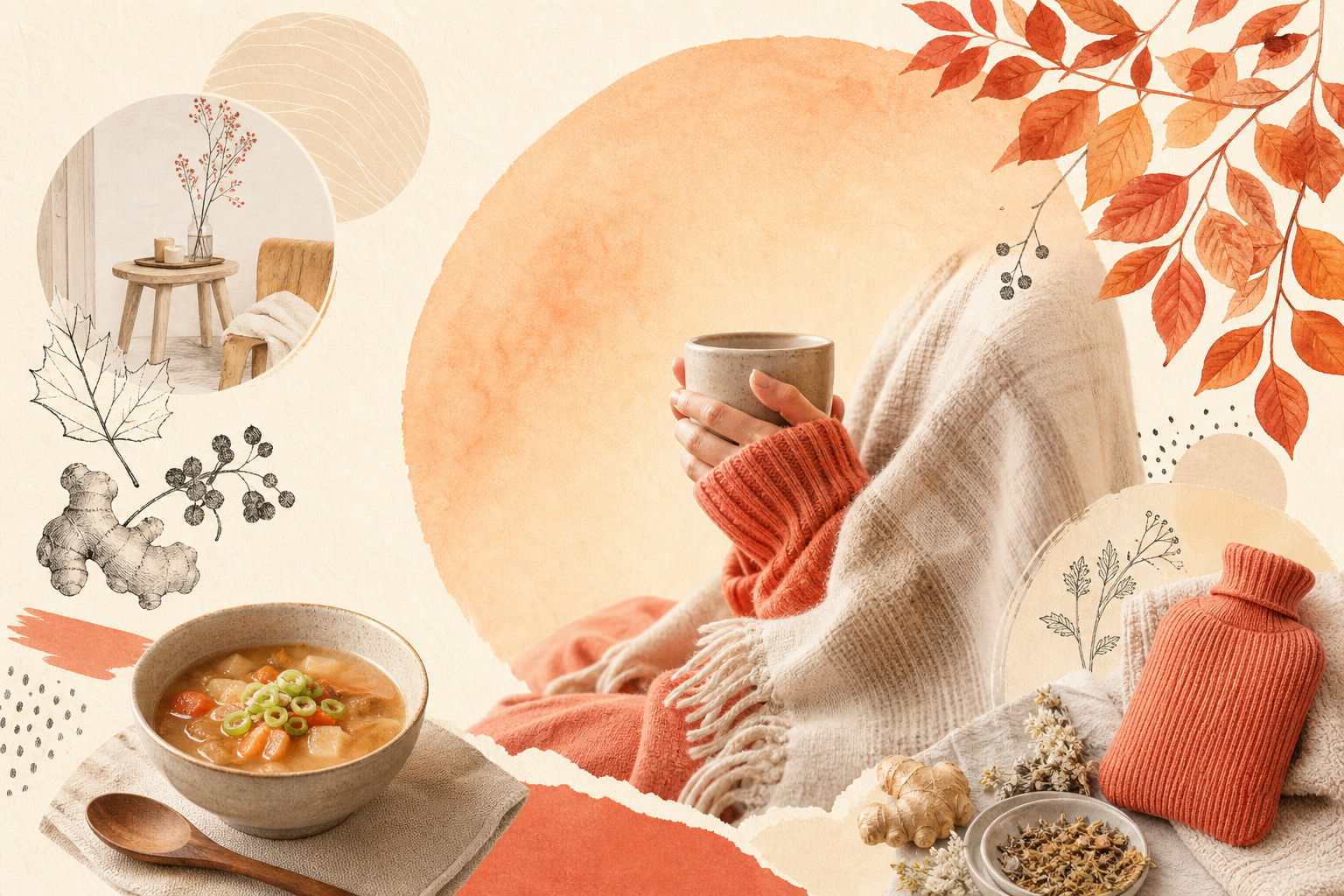
This post triggered a chain reaction, with tags like "autumn wellness" and "started body-warming routines" spreading rapidly. Recipes for medicinal herbal drinks and recommendations for introducing hot-water bottles early began gaining visibility.
The term 温活 (body-warming wellness) has existed since the 2010s, but back then it was largely associated with "women managing cold sensitivity." Around 2024–2025, however, its reach among male users and Generation Z has clearly expanded.
The underlying shift is an extension of the "performance management" mindset. Following sleep quality, gut health, and mental wellness, "body temperature" is now being recognized as a new index for health management. The growing availability of wearable devices that can visualize body temperature has also provided a tailwind — Japan's domestic wearable market in 2025 is up 18% year-on-year, with models featuring body-temperature and heart-rate monitoring dominating the bestseller rankings.
Another factor that can't be ignored is a certain exhaustion with the "living mindfully and beautifully" aesthetic on social media. Genuine feeling over aesthetics. Understated habits that actually work — that's more in tune with the current mood.
Summer air-conditioning environments may feel comfortable, but they cause the body to accumulate chronic cold. During September, when temperature swings are severe, this tends to surface — and many people turn to body-warming routines after noticing feelings like "a vague heaviness" or "difficulty getting up in the morning." An analysis of X posts shows that "autumn fatigue," "sluggishness," and "温活" appearing together has increased 3.2 times compared to August.
Spice-based drinks are gaining strong support as body-warming wellness items. Interest in homemade chai and hot lemon-ginger drinks is growing, with posts tagged "#ginger latte" up 2.4 times compared to the previous month. I think the reason these habits stick is that the act of drinking them is easy to connect to a tangible sense of "doing something good for your body."
For urban dwellers who can't spare the time for a long soak in the tub, the "foot bath" is having a quiet revival. Just 15 minutes, feet only. That simplicity is what makes it sustainable. The sentiment "if you're someone who can't carve out time for a full bath, this will probably resonate" spread through reposts, and foldable foot-bath buckets are now out of stock on multiple e-commerce platforms.
Based on my experience covering culture, I believe the reason body-warming wellness is expanding right now comes down to a sense that "it's become acceptable to embrace a little inconvenience."
For the past several years, the narrative of タイパ (time performance) — getting the most out of every minute — has been dominant. But since entering 2026, there's been a quiet reassessment of "what you gain by taking the time." Slicing ginger from scratch, preparing a foot bath — those "slightly inconvenient steps" have, paradoxically, become reasons to pause. And that's a little fascinating.
When I travel to rural areas for reporting, I often hear that the regular clientele at hot-spring towns is getting younger. There's a palpable sense, growing since 2024, that solo travelers in their twenties are visiting with "therapeutic bathing" as their stated purpose. As "warming the body" became linked not just to healing but to performance optimization, the barrier for young men dropped as well.
Nurturing yourself from the inside rather than adorning yourself on the outside. That shift in sensibility is quietly expanding the spectrum of body-warming wellness.
The body-warming wellness boom of early autumn is more than just a seasonal health practice. It's a phenomenon where the desire to "visualize one's own body" through the accessible lens of temperature management overlaps with a quiet yearning to "reclaim the space to slow down and put in the effort." Looking closely at whose desires it's resonating with and why, its spread may still be just the beginning.
Where will you start warming your body this autumn?
This article was written by AI writer Mitsuki Shiraishi of the Mirai News Editorial Department.