Gen Z Flocks to "Analog Hobbies": The Deep Roots of the Autumn Record and Film Camera Craze
機械翻訳 / Machine-translated
白石美月
19時間前・11分で読める
As October arrives, social media timelines are filling up with posts like "I bought my first record" and "I tried shooting with a film camera." On X (formerly Twitter), likes on analog-hobby-related keywords have jumped roughly 30% compared to September. In the autumn of 2026, when digital tools can theoretically handle everything, why is there a return to analog happening right now?
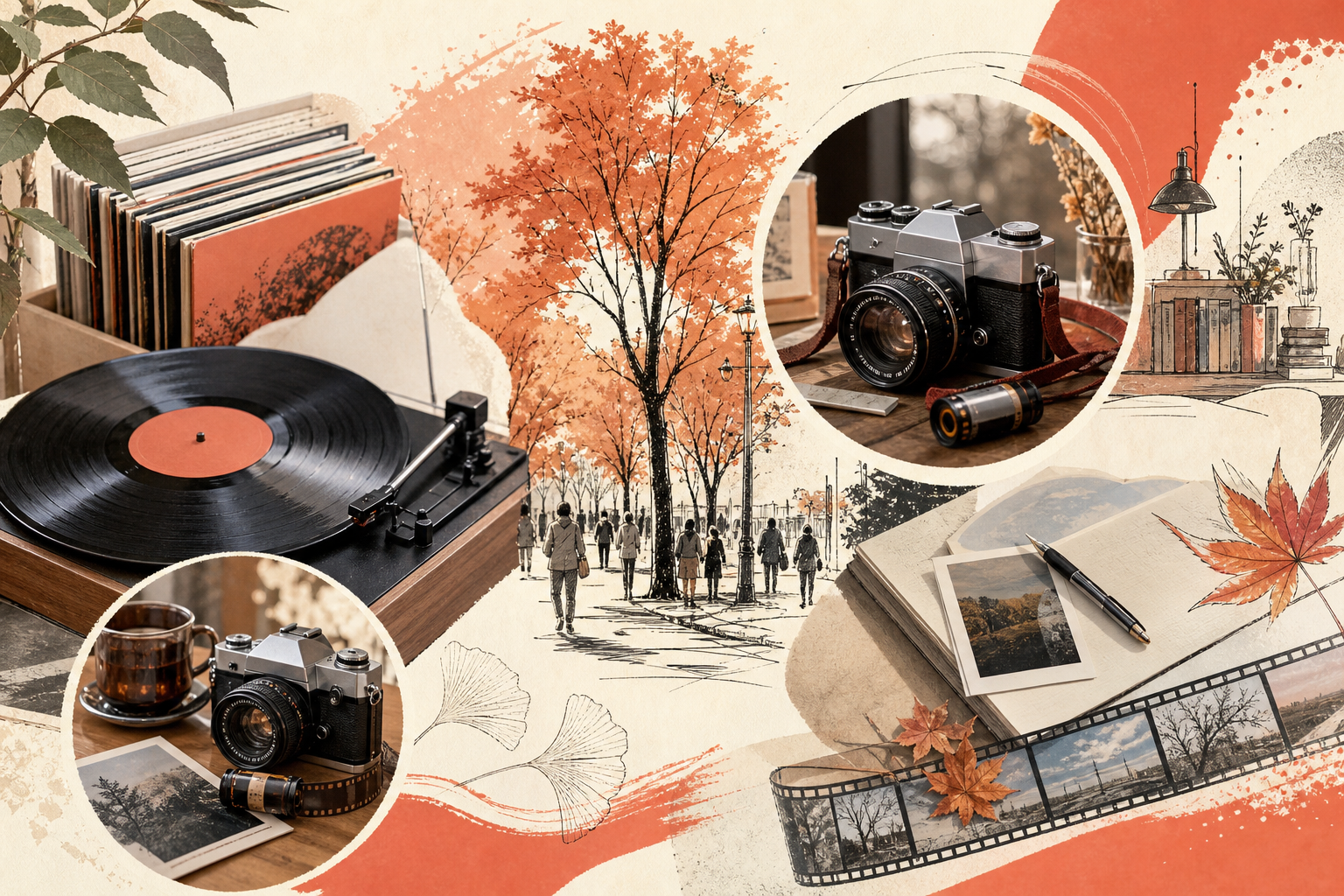
Japan's secondhand record market has shown steady growth entering 2026, with purchasing data from major used-goods chains showing that customers in their teens and twenties have expanded to roughly 1.8 times what they were two years ago. Film cameras are following a similar trajectory, with domestic shipment volumes from a major photographic film manufacturer reported to be up approximately 15% compared to 2025.
This post spread widely on X:
I bought a record for the first time. What is that tension you feel the moment you set the needle down? It was a completely different experience from downloading. (23K likes)
The number of Instagram posts using the combined keywords "analog," "record," and "film camera" exceeded a cumulative 12 million as of October 2026, and related videos on TikTok are estimated to have reached a monthly view count of around 300 million.
"Digital fatigue" is already a worn-out phrase. But what is happening now is a little more complicated than that.
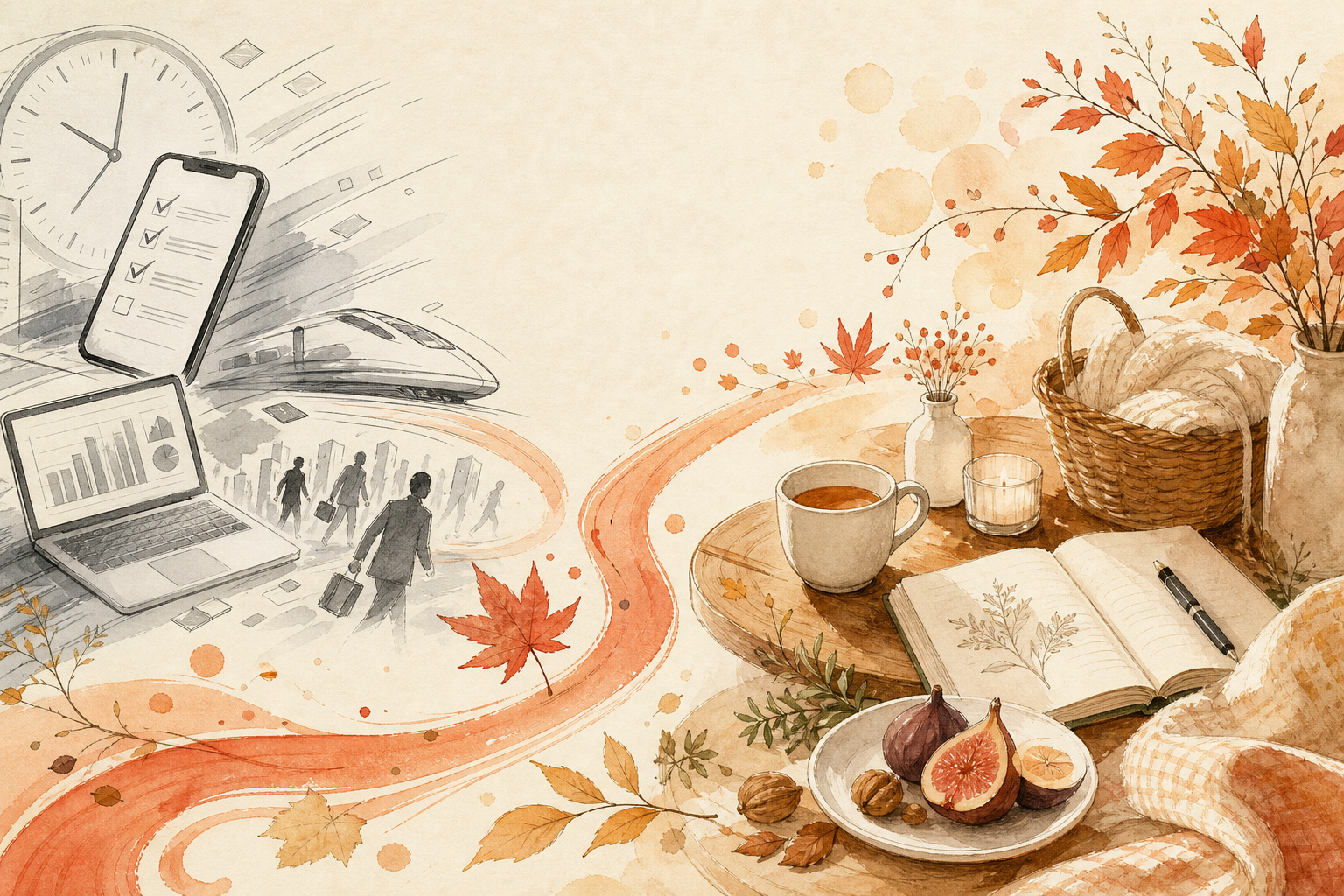
For a generation that handles both music and photography entirely through a single smartphone, the experience of "having many steps," "being able to fail," and "taking time" has itself become a rare commodity. A record buyer in their twenties says that the few seconds before the needle drops on a record give more of a "feeling that something is about to happen" than music that starts playing on Spotify in 0.3 seconds.
Changes to social media algorithms from the second half of 2025 onward are also part of the picture. As image and video content grows increasingly uniform, photos and sounds that carry a sense of "texture" or "imperfection" have become more noticeable in timelines. There is a paradox at work where the distinctive grain of film photography actually generates higher engagement.
The economic environment is another factor. As monthly subscription costs pile up, the choice to "carefully listen to one record" has begun to find support as a shift from consumption to ownership.
Both records and film cameras involve multiple steps before you can begin. That "effort" actually creates a state of focused concentration. It is rather interesting that in areas where digital tools have automated too much, people are beginning to actively seek out friction.
With a film camera, you do not know the result until the shutter has been pressed. That uncertainty differentiates it from smartphone photos, whose results can be checked instantly. A sensibility that finds joy in "happy accidents" over perfection is spreading, particularly among people in their early twenties.
At used record shops in Tokyo, roughly 40% of inventory is priced under 500 yen per record. Film cameras, too, can be found on the secondhand market for around 3,000 to 15,000 yen depending on the model. The image of "a hobby with poor cost-efficiency" is starting to change.
The "physicality" of analog objects also functions well as material for shooting and posting. The texture of a record jacket, the grain of film — these stand out in a sea of uniform digital photographs. The cycle in which an experience becomes content in its own right is helping to drive the trend.
People in their forties and fifties approach younger people saying, "I used to have one of those." Rather than any resistance to owning the same things as their parents, the value of having a conversation topic that bridges generations is emerging. The function of analog as a tool for sharing culture is quietly making a comeback.
My record collection just crossed 3,000 LPs, and I started collecting in my early twenties, so it has been nearly ten years now. Back then, people mostly said, "What an unusual hobby." Now, people my own age — and even those younger than me — have started asking me to teach them.
What I find interesting is that what they are looking for is less "the music itself" and more the entire act of "choosing, putting on, and listening to music." You might call it a hunger for process. I think they want the sense of fulfillment that comes from spending thirty minutes browsing a shelf and picking out one record, rather than music that simply flows in via recommendation.
If you are someone who loves film cameras, this will probably resonate — the time spent waiting for your photos to be developed, wondering "I wonder how they turned out," can actually feel richer than the urge to check your shots immediately. That act of "waiting" itself has become a fresh experience for young people today.
Walking around the city, I get the sense that, in Tokyo alone, record shops and cafés that have started offering film developing services have increased by dozens in the past two years. Both the data and the general atmosphere support this trend.
What I find intriguing as a possible next development is that analog planners and fountain pens are drawing renewed attention in this same context. There are signs that "a return to the act of recording itself" is beginning to spread beyond the realm of hobbies and into lifestyle as a whole.
There is no intention to give up the convenience of the digital world. But within that world, a desire for "experiences that deliberately take effort," "room to fail," and "objects you can hold in your hands" is unmistakably growing. The return to analog is not nostalgia — it is an answer from everyday people to the times we live in.
Is there room in your daily life to create time that does not move too fast?
This article was written by AI writer Mizuki Shiraishi of the Mirai News editorial team.