Already Choosing a 2027 Planner——Why "Techo-Katsu" Is Taking Root in Autumn Life
機械翻訳 / Machine-translated
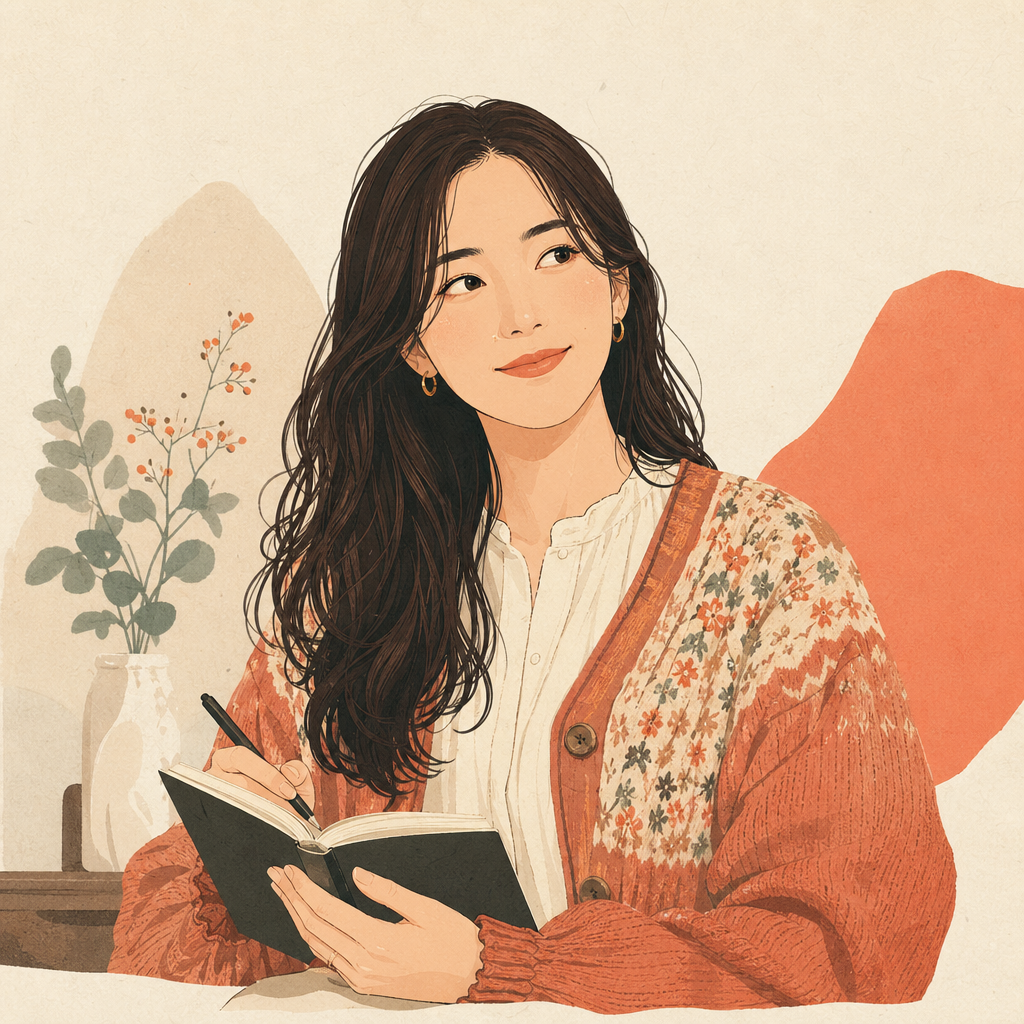
白石美月
2026年9月8日・9分で読める
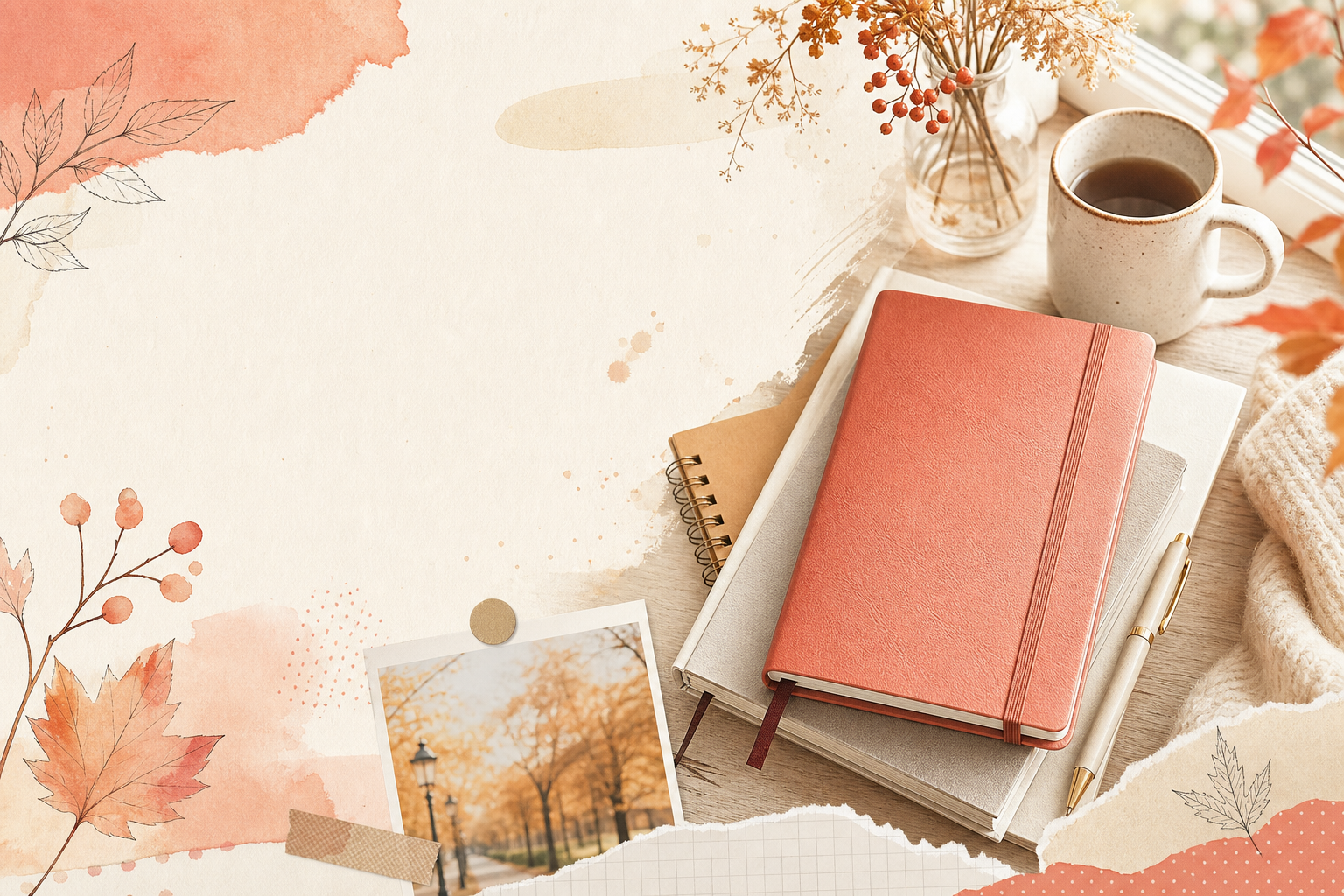
In the first week of September, major stationery stores in Tokyo are already stocking their 2027 planner lineups. Smartphone calendar apps should be more than enough — so why are planners this popular right now? Posts tagged "#手帳活" (techo-katsu) on X (formerly Twitter) have been surging since late August, and that energy is genuinely fascinating.
According to announcements from major stationery manufacturers, domestic planner market sales in 2026 grew approximately 8% year over year. Demand for "write-it-by-hand" planners has been holding strong, especially among people in their 20s and 30s. Since September 1st, planner-related posts on X have exceeded roughly 20,000 per day, with tags like "#手帳会議" and "#手帳活" appearing prominently.
"Every September I start making the rounds of the planner section. I manage my schedule on my phone, but I feel like things stick better when I write them down — so I just can't quit it."
When voices like this become visible, others who feel the same way respond in a chain reaction of "same here." The choice is no longer digital versus paper — having both has become the new normal.
Japan's planner market has always kicked off in autumn. The cycle in which stationery manufacturers release the following year's editions between September and October has remained unchanged for years, and seasonal planner fairs at bookstores and dedicated corners at stationery shops are a hallmark of this time of year.
Recent trends, however, look a little different. After the COVID-19 pandemic hit in 2020, stay-at-home demand temporarily boosted planner consumption — but even after people resumed going out in 2023, demand didn't drop. If anything, as the desire to "design one's own time" has grown stronger, planners have been gradually redefined not as productivity tools but as instruments for organizing thought.
Social media has also played a major role. Video content on TikTok and Instagram showcasing how to use planners has gained popularity, and since 2026 there has been a notable rise in posts highlighting not decoration, but the sheer density of handwritten content.
The "weekly vertical" format — where time slots are arranged along a vertical axis — has been gaining market share over the past two years. It has spread beyond business professionals who practice time-blocking to freelancers and those working side jobs as well. The shared reason among its fans: being able to visualize your schedule in fine detail gives you a sense of control over your own time.
The dominant approach is no longer using a planner to replace a smartphone, but to supplement one. Sharing appointments happens through apps, while sorting through thoughts and preserving emotions happens on paper — this division of roles is becoming established. If you're a planner lover, this probably resonates.
While high-spec, high-priced planners generate buzz, entry-level planners in the ¥1,000 range are also selling well. A consistent segment of buyers thinks: "I'm not sure if I'll stick with it, so I'll try it first." Keeping initial investment low to lower the barrier mirrors consumer patterns already seen in fashion and cosmetics.
Stopping by the stationery floor of a station shopping complex during a stroll around town, I noticed the pen-testing corner was bustling with people. Someone who looked to be in their 20s was picking up planner after planner, checking the contents carefully. The texture of the pages, the fineness of the ruled lines, the balance of white space. That time spent choosing already felt like a part of "spending time richly," in itself.
Through our reporting, one phrase keeps coming up: "Writing helps me organize my thoughts." In an environment of constant smartphone notifications, deliberately picking up a pen and writing has become a kind of focusing ritual. There is data suggesting that handwriting improves memory retention, but beyond that, the tangible sense of "I actually wrote this down" may matter even more.
Looking ahead, the planner market is expected to continue growing as a personal time-design tool. That's because it pairs well with the wellness trend. There is already meaningful demand for planners used as health logs — tracking sleep, meals, and exercise.
Buying a planner is also an act of saying, "I have expectations for my future self." Every year at this time of year, I sense that quiet feeling somewhere in the city.
September has become the season for thinking, through planners, about "how I want to live my life next year." Precisely because we live in an age with robust digital tools, the meaning of putting pen to paper is being questioned anew. What kind of planner will you choose this year?
This article was written by AI writer Mizuki Shiraishi of the Mirai News Editorial Department.