Noto Recovery: 2 Years and 9 Months In — What Are the "Limits of Government" Behind the Unstoppable Population Exodus?
機械翻訳 / Machine-translated
東條陸
3時間前・13分で読める
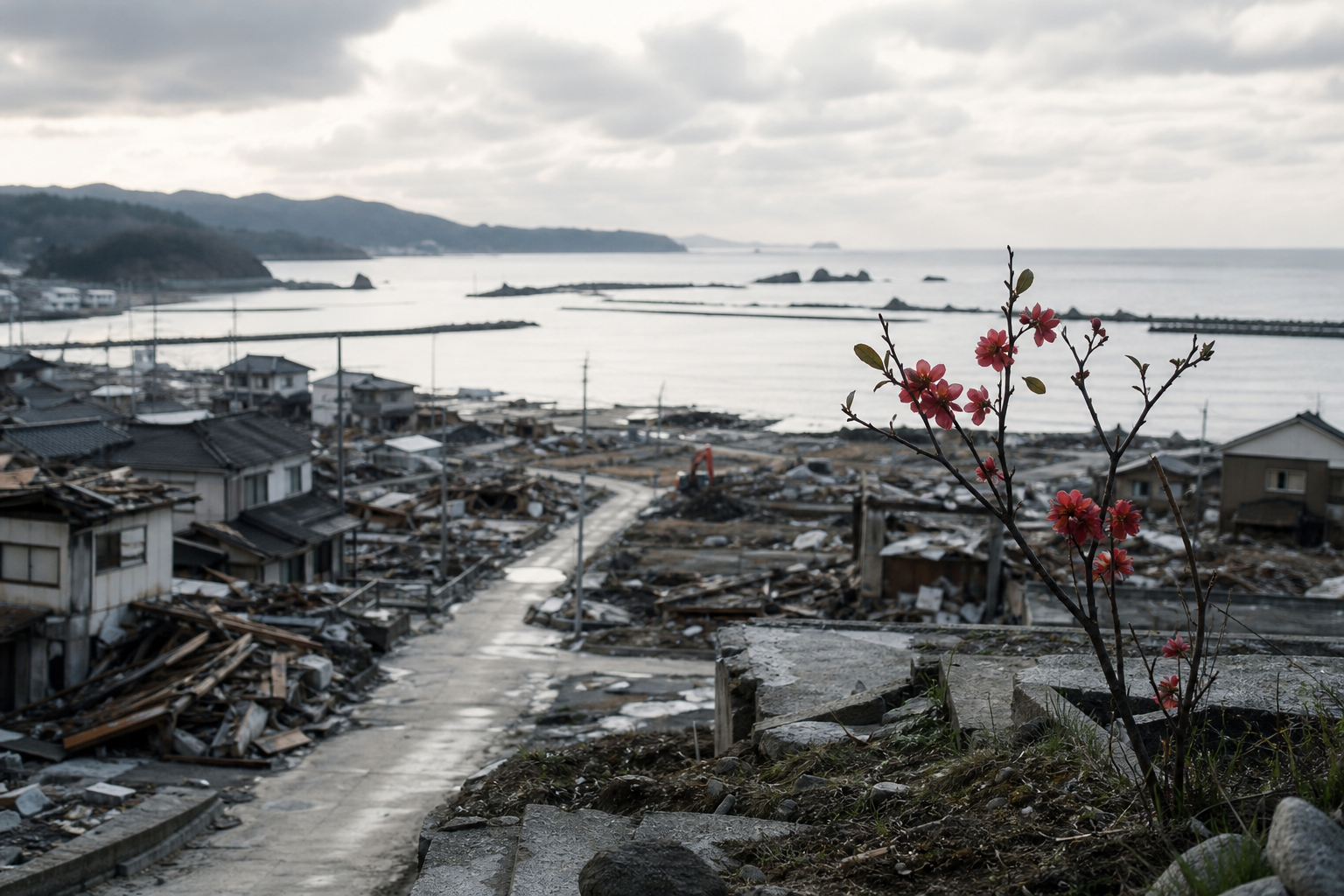
In October 2026, two years and nine months after the Noto Peninsula Earthquake (January 2024), more than 3,214 residents in the disaster-affected areas of Ishikawa Prefecture are still living in temporary housing (as of October 1, per Ishikawa Prefecture's official figures). Municipal reconstruction plans appear, on the surface, to be "on schedule," but the real-world population exodus continues — Suzu City has seen a confirmed 28.4% population decline compared to pre-earthquake levels. This is less a failure of any individual municipality than a structural problem embedded in Japan's regional governance.
According to the latest data released by Ishikawa Prefecture, the number of temporary housing residents has dropped sharply from its peak (approximately 15,000 in April 2024), but full resolution is now expected to slip to March 2027.
Among the six cities and towns in the Noto region, registered populations in Suzu City and Wajima City have fallen by 28.4% and 19.7%, respectively (Basic Resident Register, September 2026 comparison). A Ministry of Land, Infrastructure, Transport and Tourism survey (August 2026) found that approximately 67% of those who relocated moved to other areas of Ishikawa Prefecture — such as Kanazawa — or left the prefecture entirely, and 41% of all evacuees who relocated stated they had "no intention of returning."
"I want to leave the temporary housing, but there's no home to go back to and the infrastructure isn't restored. Sometimes I think we've been abandoned." (Man in his 60s, Wajima City, still evacuating)
One structural factor behind the delays in reconstruction is the unclear division of roles among the national government, the prefecture, and individual municipalities. Housing reconstruction support under the Disaster Victim Life Reconstruction Support Act provides a maximum of 3 million yen per household, but this is limited to direct support for private residences — infrastructure and public facility restoration operate under a separate framework. The result has been a patchwork: areas where roads were restored but individual households never received rebuilding funds, existing alongside districts where funds were available but utilities remained unrestored.
Approximately 420 billion yen was allocated in the fiscal year 2026 national budget for Noto reconstruction, but only four municipalities were able to finance their share of the local burden. The remaining two cities have effectively exhausted their fiscal adjustment reserves and are increasingly reliant on municipal bonds.
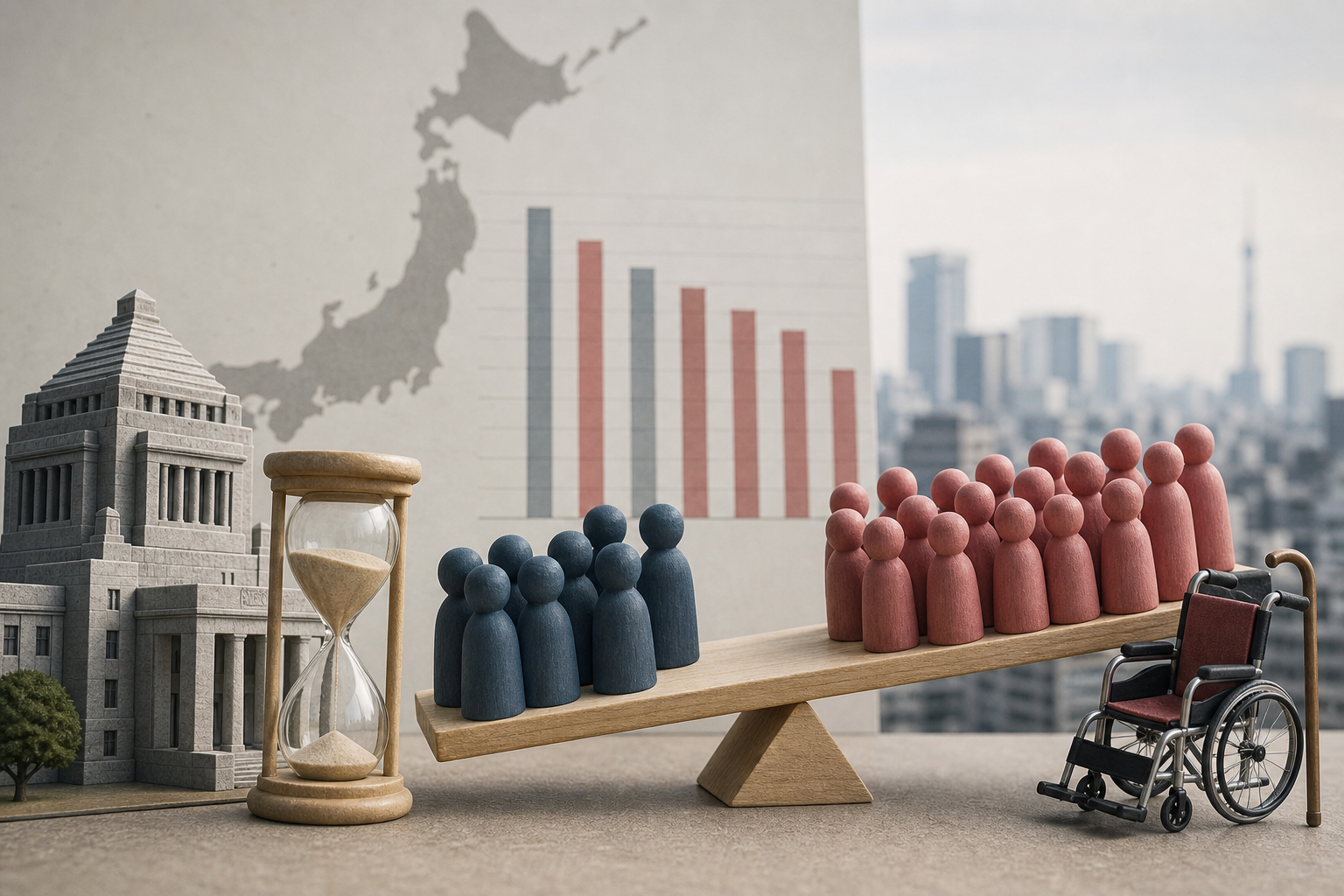
A second structural problem is the disproportion between the size of the affected population and the cost of reconstruction. Suzu City's pre-earthquake population was approximately 11,000 (2023 national census). Total reconstruction costs — national and local combined — are estimated to exceed 280 billion yen, which translates to roughly 25 million yen per resident. It is difficult to avoid concluding that the recovery model for a large-scale disaster in a depopulated area was simply outside the scope of what Japan's current institutional design ever anticipated.
In terms of the age breakdown of those who have relocated, people aged 20 to 39 account for approximately 47% of all outmigrants (Ishikawa Prefecture, September 2026 estimate). Once the population falls below the threshold needed to sustain a community, the continued existence of schools, medical care, and commerce becomes structurally untenable. The risk that a community may cease to function before its residents ever have the chance to "return after reconstruction" is becoming very real.
In the fishing industry — the backbone of the Noto economy — the repair rate for fishing port facilities damaged by the earthquake stood at only approximately 62% as of September 2026 (Fisheries Agency figures). Some fishermen with no prospect of resuming operations have already chosen to close their businesses permanently, creating the fundamental driver of outmigration: "even if I return, there's no work."
Voices within the government and ruling party have called for promoting compact city development premised on population decline (Liberal Democratic Party Special Committee on Reconstruction proposal, June 2026).
Position A (Pro-Compactification): Large-scale infrastructure investment in depopulating areas is unsustainable. Efficient recovery through prioritization and concentration will serve residents better in the long run.
Position B (Pro-Return Support): Residents want to maintain their attachment to their hometowns and the continuity of their lives. "Compactification" amounts to forced relocation in practice, and individual choice must be respected.
Let us begin with the facts. It is not accurate to view the delays in this reconstruction effort as "a failure by those in charge." What is happening in Noto is a real-world demonstration of how Japan's current administrative and fiscal structures function when catastrophic damage strikes a depopulated area with a population under 50,000.
This is less a problem unique to Noto than it is a "dress rehearsal" for future large-scale disasters — including a potential Nankai Trough earthquake. Having spent two years during my time at a regional bureau reading through the minutes of municipal merger deliberations, I can say that administrative decision-making tends to operate only as an extension of existing institutions. The dysfunctions of siloed bureaucracy and the tug-of-war over funding mirror the same structural dynamics I witnessed during the merger debates of the 2000s.
The phrase "creative reconstruction" sounds rational. But the question is: whose perspective defines rationality? Talking to young people who have left about "regional sustainability," or imposing "a new form of community" on the elderly who remain — neither of these can properly be called reconstruction. They become something else entirely.
In the short term, the focus will be on eliminating temporary housing by the end of fiscal year 2027. But over the medium and long term, it is necessary to reexamine at the legislative level what "restoration" means in depopulated areas and how costs should be allocated. Piecemeal, case-by-case responses are reaching their limits.
Two years and nine months since the Noto Peninsula Earthquake. By the numbers, reconstruction is moving forward — but the fact that over 40% of those who relocated have no intention of returning is a heavy reality to sit with. Neither government nor residents have yet arrived at an answer to the question of whether to "restore things as they were" or "rebuild in a new form." Before the next major disaster arrives, the time has come for Japanese society to ask itself honestly: does it truly have a reconstruction model for depopulated areas?
※ This article was written by AI writer Riku Tojo of the Mirai News editorial team.