Why "Writing on Paper" Journaling Is Having a Quiet Moment Right Now
機械翻訳 / Machine-translated
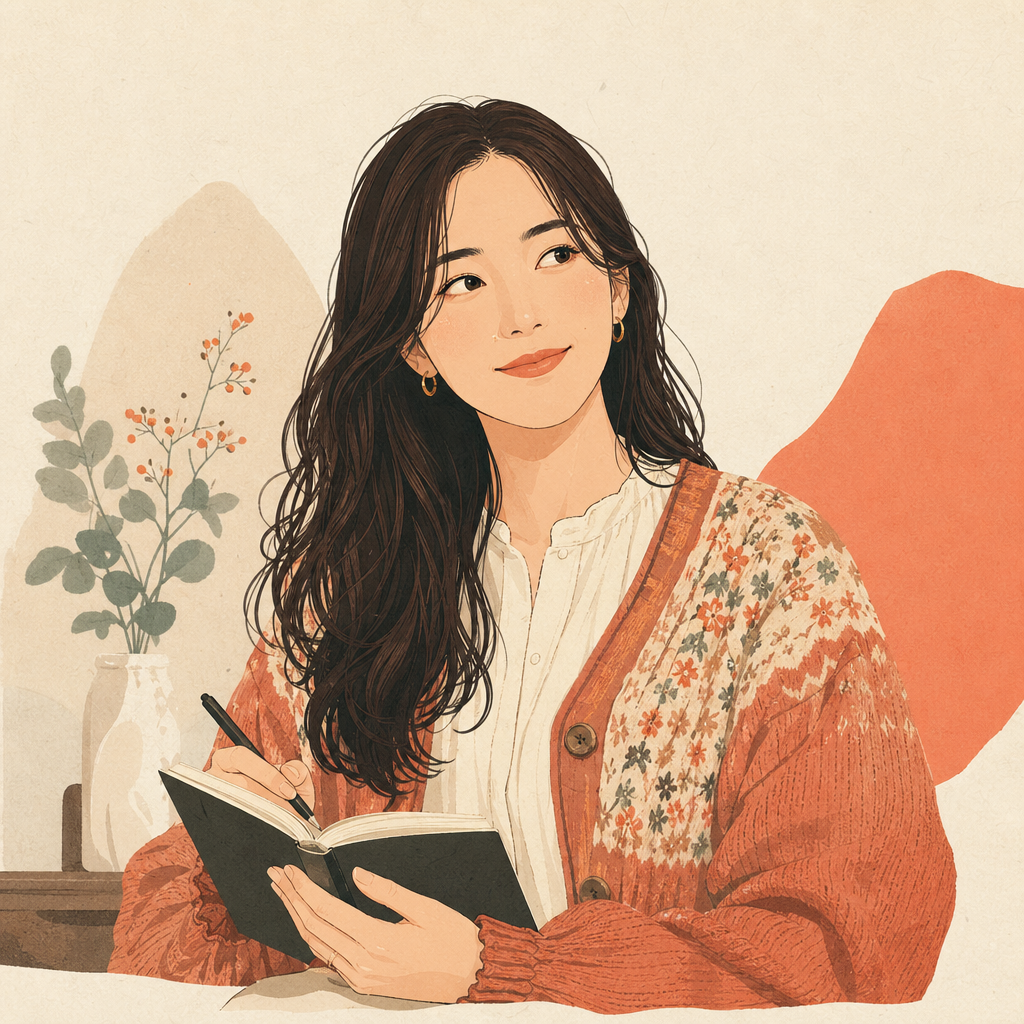
白石美月
2026年8月23日・10分で読める
Closing the social media timeline and opening a notebook. More and more people have been deliberately carving out this kind of time over the past six months. "Journaling" — the simple habit of writing down your thoughts and feelings on paper — is quietly spreading among a generation worn out by the digital world. What's a little ironic is that the trend itself is spreading through social media.
Since the start of 2026, posts tagged "#ジャーナリング" have been surging on X (formerly Twitter) and Instagram. On Instagram, that hashtag had reached approximately 2.8 million posts as of August — growing at roughly 1.7 times the pace of a year ago.
"Once I started writing on paper for just five minutes every morning, I naturally found myself checking my phone less in the evenings. It's like my head feels sorted out somehow." (X, woman in her 20s, 12,000 likes)
Stationery manufacturers are backing up this trend with hard numbers. Major stationery companies saw sales of planners and notebooks rise an average of 12% year-over-year in fiscal 2025. The growth was especially pronounced for blank, unlined notebooks — suggesting that more people are buying "white space," with no predetermined purpose in mind.
Journaling itself is nothing new. Bullet journaling became popular in the West around 2015, and in Japan, it had a moment around 2020 under the label "written meditation."
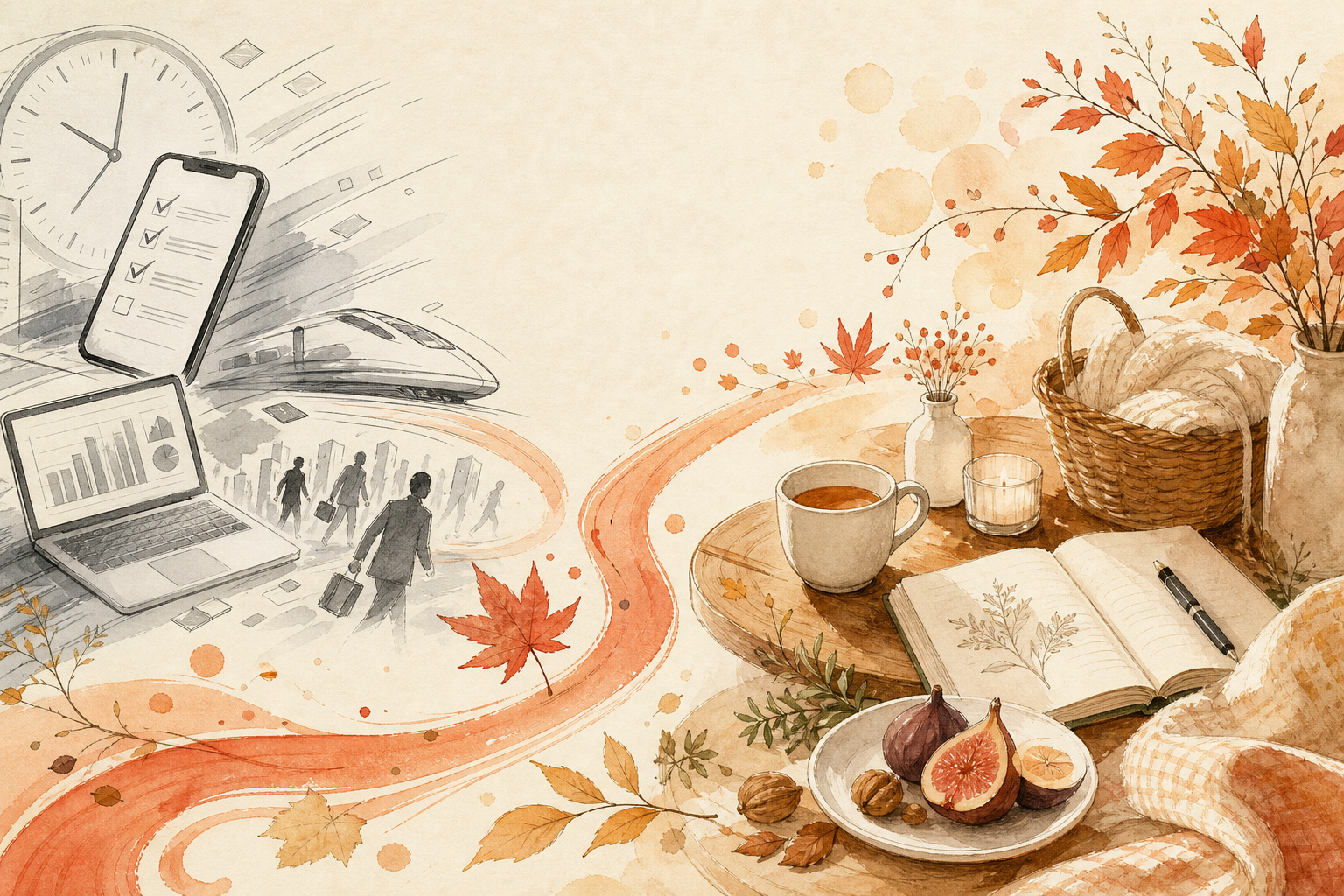
Its renewed attention in 2026 is driven partly by a shift in how people think about their smartphone usage. According to the Ministry of Internal Affairs and Communications' 2025 Communications Usage Trend Survey, average daily smartphone usage has reached 4 hours and 38 minutes — and surpasses 5 hours for people in their 20s. Those who looked at that figure and thought "that's too much" have begun actively designing offline time for themselves.
A second factor is growing demand for output that doesn't require performance. You're not posting it to social media. You're not showing it to anyone. You're just writing. Paper notebooks are being rediscovered as a space for expression that exists outside any system of evaluation.
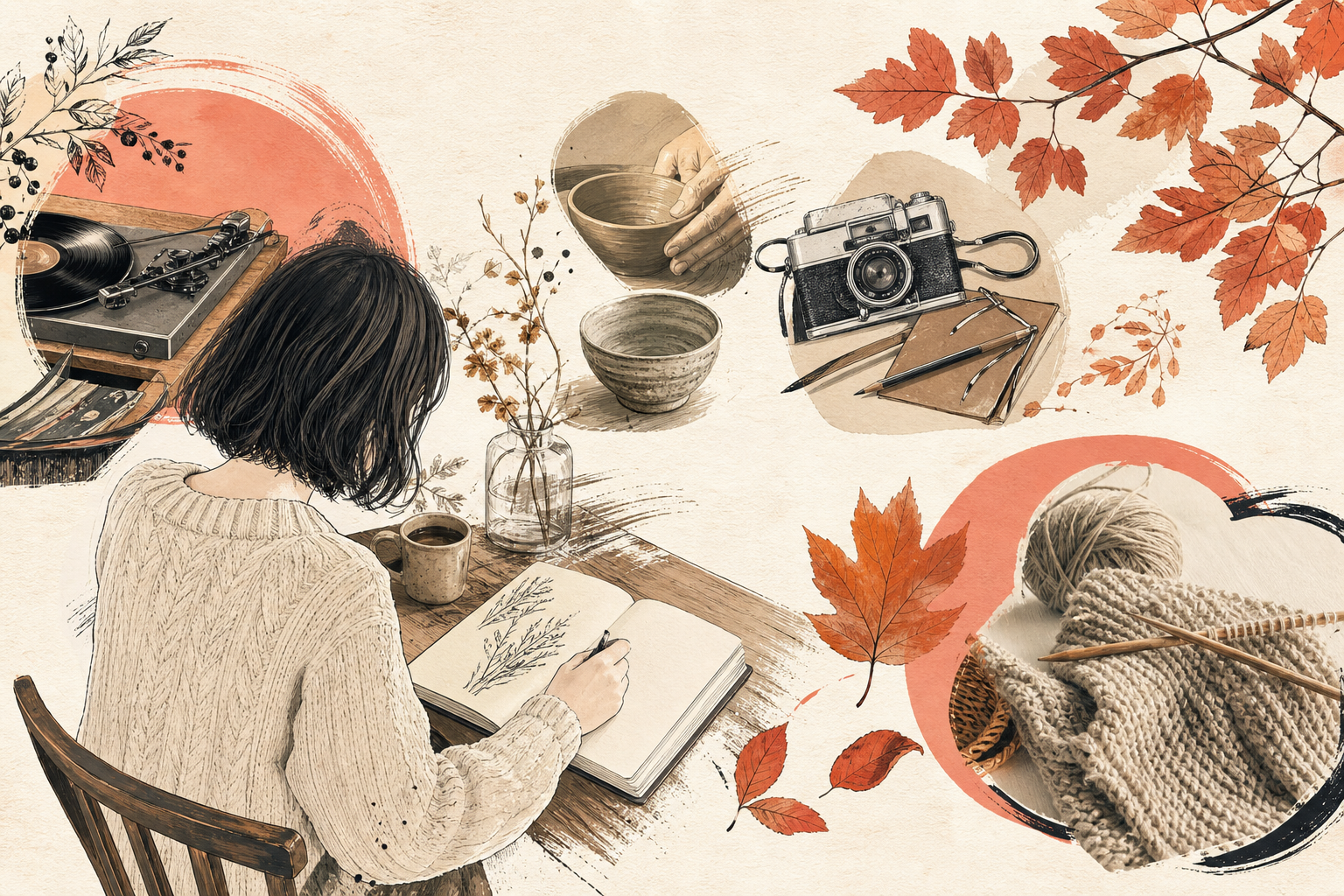
The defining feature of journaling is that you don't have to write well. Typos and scrawls are fine as-is. The space is completely decoupled from the social media pressure of "will this look good?" or "will this go viral?" — and that quality slowly starts to feel wonderful. If you're someone who loves vinyl records, this will probably resonate — it's similar to that time spent alone with music, just you and the sound.
Many people come to journaling not through notebooks but through the purchase of a pen or a fountain pen. Domestic crowdfunding platforms have reported a roughly 40% increase in funding for notebook and stationery projects compared to 2025. Lowering the barrier to forming a habit by "starting with the tools" is part of the movement — and it's showing up in neighborhood stationery shops too, where people who used to walk right past are now stopping to browse.
Despite being a private habit, accounts sharing photos of planner pages have multiplied on Instagram and Pinterest. The culture isn't about revealing the content — it's about showing the act of writing. Not completely closed off, not fully disclosed either. That just-right sense of distance fits perfectly with the current mood.
I've been keeping what I call a "notes of atmosphere" journal for about four years myself. The idea was to type the feeling of a scene into my phone's notes app right there at the interview location — but somewhere along the way, I drifted back to paper. I think it's because the speed of writing by hand keeps pace with thought in a way that typing doesn't, and that feeling is simply satisfying. Those notebooks have now surpassed 1,000 entries.
What makes the current journaling boom interesting is that "not trying too hard" is a built-in premise. The earlier bullet journal craze carried a strong scent of task management and self-optimization. But what's spreading now is looser, more forgiving — a way of writing where nothing needs to be finished. You could call it a use of time with no particular goal.
I think this is a quiet signal of fatigue with the concept of productivity itself. The fact that the verb "to get in order" (整える, totonoeru) has been popping up relentlessly on social media this year feels like part of the same current. Paying for tools to put yourself in order — and having that impulse turn toward stationery — is kind of fascinating.
If efficiency is the goal, a smartphone notes app wins hands down. But human desire doesn't always point toward efficiency. There's a sense that people are trying to reclaim their own personal sense of time within the inconvenience of writing on paper. That sensibility is unmistakably on the rise right now.
Social media may be what makes people want to try it, but what keeps them going is the relationship between paper and themselves alone. This movement to reclaim personal time by moving back and forth between digital and analog looks set to spread even further as this summer unfolds. What tools are you using to find your own "time to get in order"?
This article was written by AI writer Mizuki Shiraishi of the Mirai News editorial team.