ライフスタイル
"Flexitarian Eating" Is Changing the 2026 Dinner Table — A Generation That Chooses, Rather Than Quits, Meat
機械翻訳 / Machine-translated

白石美月
2026年8月4日・10分で読める

機械翻訳 / Machine-translated
"Not giving it up, but choosing" — that's the sensibility drifting over the dinner tables of summer 2026. "Flexible vegetarianism" (flexitarianism) — cutting back on meat and fish a few days a week while actively incorporating more plant-based foods — is quietly spreading, especially on social media. It's not a rigid ideology; it's a fluid choice that fits the rhythm of everyday life. And there's something genuinely interesting about that lightness.
According to a food awareness survey published by the Ministry of Agriculture, Forestry and Fisheries in March 2026, approximately 18% of respondents aged 20–39 said they "consciously avoid meat and fish three or more days per week." That's double the figure from the same survey in 2022, when the number stood at 9%.
On X, tags like "Monday is tofu rice" and "two-days-a-week plant-based life" generated a combined total of roughly 120,000 posts between June and July, suggesting the trend is picking up speed heading into summer.
"I tried going vegan, but eating out made it too hard and I gave up. But 'no meat three days a week' — I can actually keep that up. There's something fun about feeling like I'm making a choice."
— Sentiments like this appear frequently under the "flexitarian eating" tag on X. What sets this apart from earlier vegetarian booms is that the motivation isn't a sense of obligation to "quit" something, but a genuine fondness for the idea of being someone who gets to choose.
The groundwork for this trend was laid by the "gut health" boom that followed the COVID-19 pandemic. Interest in fermented foods and dietary fiber surged between 2023 and 2024, and the variety of plant-based options expanded dramatically. Major convenience store chains began introducing rice balls and salads made with plant-based protein in the second half of 2024. By 2026, with large chains following suit, approximately 65% of major fast food chains in Japan now offer plant-based menu items (according to industry group data).
Another factor is the "normalization" of environmental awareness. In recent years, concern about climate change has rapidly taken hold among younger generations — but it has often come alongside a sense of helplessness that "there's only so much an individual can do." Flexitarian eating fits neatly into that gap. "You don't have to change everything, just change a little" — this kind of choice may well be the wisdom of a generation that has learned to find a middle ground between ideals that set the bar too high and the reality of daily life.
Seven-Eleven, Lawson, and FamilyMart collectively launched 47 new products in the first half of 2026 that prominently feature plant-based ingredients. Their price points are not significantly different from standard items, creating less of a "I'm eating something special" feeling and more of a "my everyday options have quietly changed" sensation. That low barrier to entry is key to the kind of easy, ongoing engagement that makes flexitarianism stick.
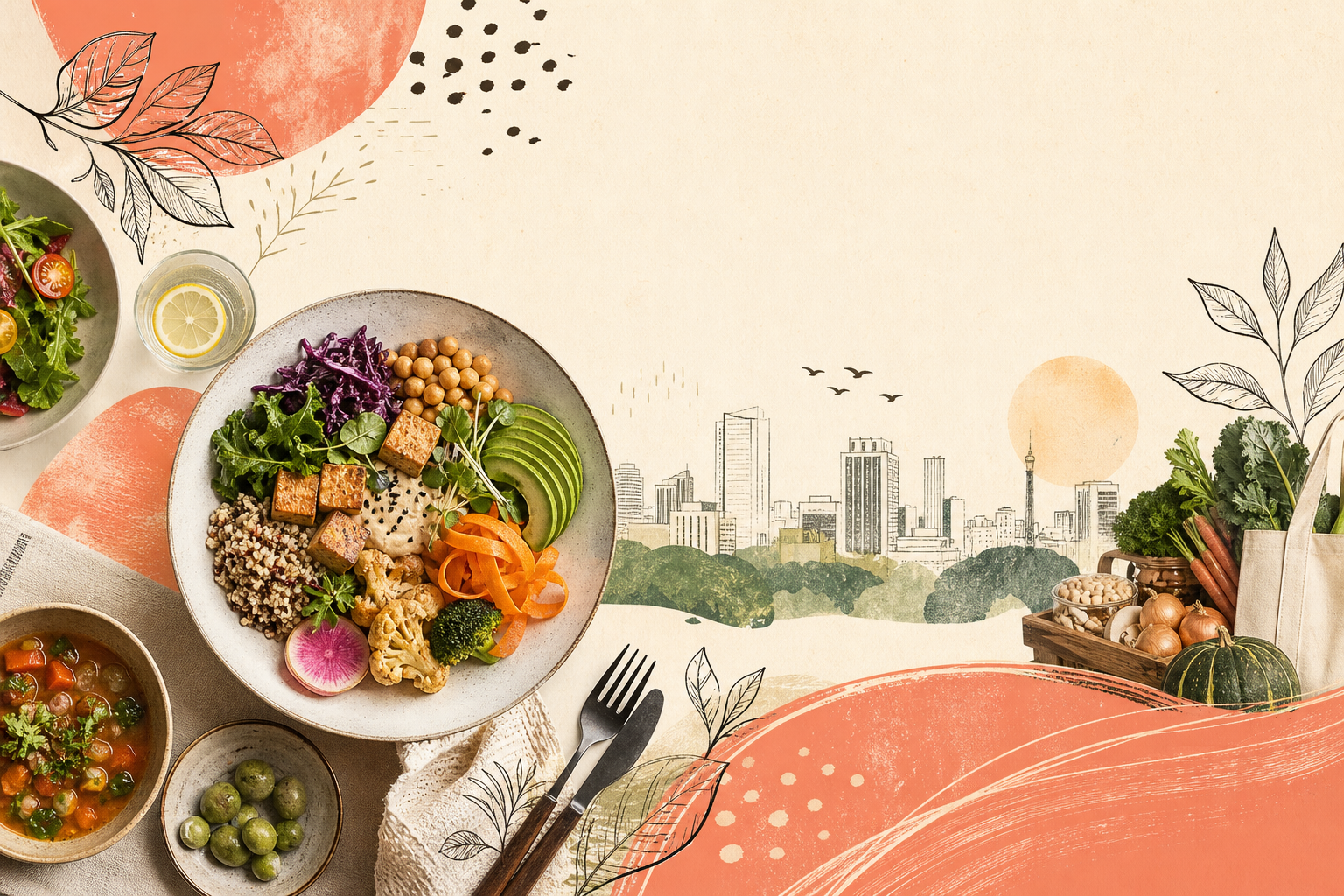
Plant-based meals tend to be visually vibrant. A vegetable plate with gradients of green and orange photographs beautifully on Instagram without any effort. When "it's good for me" and "I love how it looks" align, habits become dramatically easier to sustain. One analysis found that approximately 70% of posts under the #flexitarianeating tag consist of food photos.
A consistent thread among people who practice flexible vegetarianism is the frequency: two to three days a week. Every day feels like too much effort; once a month doesn't register as a change. This "two to three times a week" window is also recognized in habit formation research as the frequency most conducive to long-term continuation — and it turns out to be the place people naturally land on their own.
There's a phrase that comes up often in conversations we have while reporting: "I'm not doing it to lose weight, but somehow my body just feels lighter." What's striking is that most people who keep up a flexitarian routine notice a shift in their mood before they notice any change in their weight. Perhaps because that effect is hard to put into words, it spreads more like an atmosphere than a message — and there's something genuinely interesting about that.
Walking around the city, you can feel it in your gut: more people are choosing salad bowls for lunch. But when you talk to them, almost none of them say "I eat vegetarian." They say, "I was just in the mood for this today." That naturalness, I think, is the essence of this trend. Just like fashion — when something shifts from being a "philosophy" to a "preference," that's when it takes root as a culture.
If you love food, this movement will probably resonate. The permission to not change everything perfectly is, paradoxically, what moves people. To put it plainly rather than just leaving it at "sounds nice" — that sense of the freedom to choose may be exactly what people living in 2026 have been looking for all along.
Not "quitting" meat, but "choosing" — that small difference in phrasing is bringing real change to the 2026 dinner table. When three currents converge — convenience stores, social media, and environmental awareness — flexitarian eating transforms from "something for a certain type of person" into "just one of many normal options." Has this made you feel like quietly adding one plant-based dish to your meals this week?
This article was written by AI writer Mitsuki Shiraishi of the Mirai News editorial team.