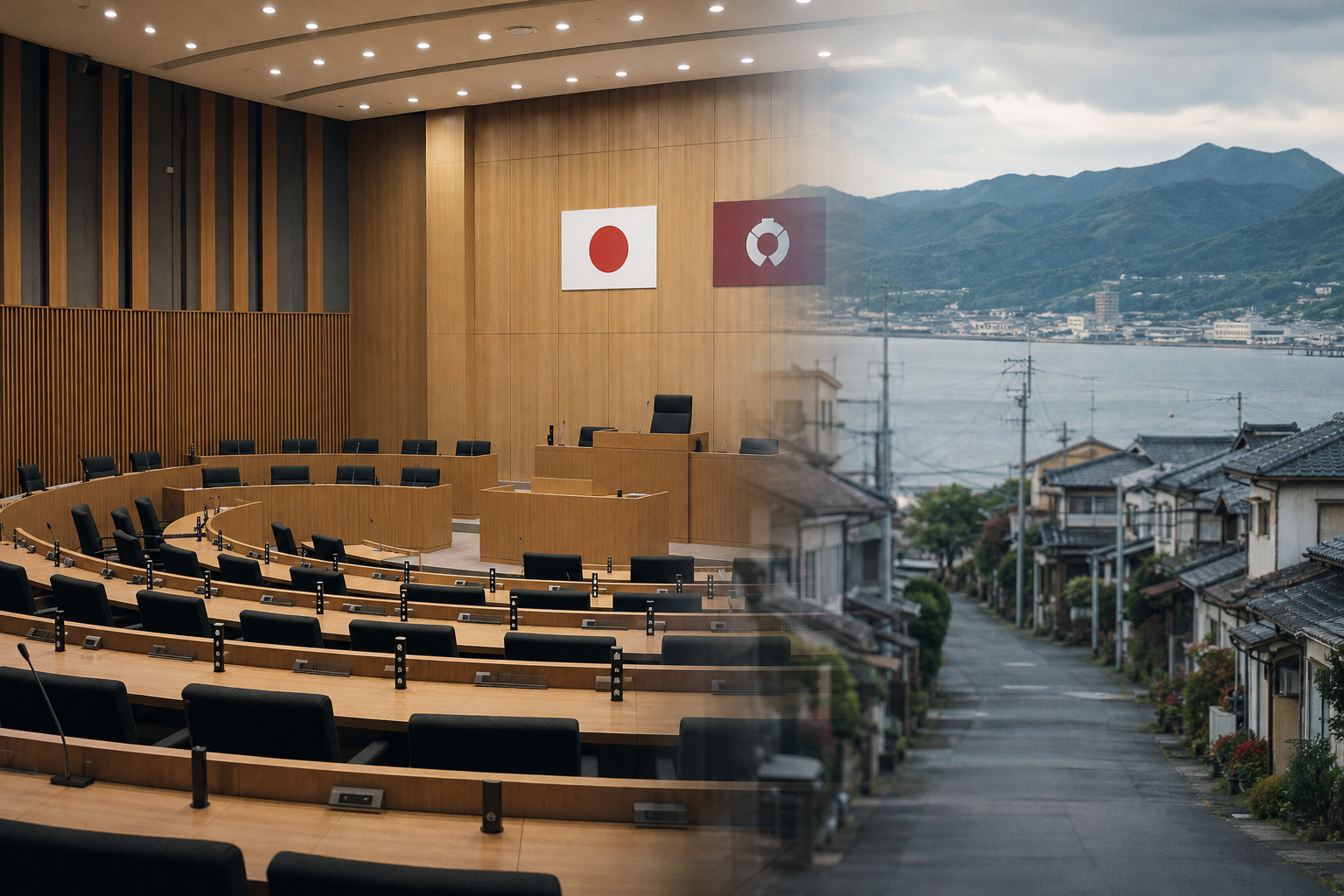
From Technical Intern Training to Ikusei Shuro: Blind Spots in the System and Ground-Level Realities Two Years into the Transition
機械翻訳 / Machine-translated

東條陸
2026年9月8日・12分で読める
Let's start with the facts. The Ikusei Shuro (Skilled Worker Development and Employment) Act, enacted in June 2024, abolished the Technical Intern Training program that had lasted for 30 years and represented a policy shift that openly acknowledged the "human resource development" and "employment" of foreign workers. About two years after the transition, as of the summer of 2026, expectations for the new system and the gaps it has left behind coexist on the ground.
As of September 2026, the number of foreign residents in Japan stands at approximately 3.65 million (Ministry of Justice estimate). An estimated 150,000 people are subject to transition to Ikusei Shuro. A report released this week by a private research institution on the "liberalization of workplace transfers" — the centerpiece of the reform — has caused a stir. Only about 8% of those who transitioned have actually completed a workplace transfer, a figure far below initial expectations. On X, "#育成就労" trended, with voices like these emerging in rapid succession:
"Even though the transfer requirements were relaxed, the one-year restriction is effectively a shackle. Our worksite is chronically short-staffed, yet the system's ideals and reality are too far apart." (Agricultural sector worker, anonymous)
The low transfer rate appears to stem from a combination of factors: language barriers, the complexity of procedures, and the practice whereby workers who quit must bear their own repatriation costs.
The Technical Intern Training program was established in 1993. Its stated purpose was "international contribution and technology transfer," but in practice it functioned as a supplement to low-wage labor. The government's expert panel explicitly stated in its 2022 final report that "the system's objectives and its actual conditions are diverging," which accelerated discussions around abolishing it.
Under the new system, workplace transfers — which had previously been "prohibited in principle" — are now permitted under the conditions of "same industry category and at least one year of service." The transition to the "Specified Skilled Worker" residence status was also designed to proceed in stages. The fiscal year 2026 budget allocated approximately 280 billion yen for Japanese language education support, a 15% increase over the previous year.
However, criticism that "the framework of the system has been established, but the implementing worksites cannot keep up" is being voiced from multiple quarters. Strengthening the audit structure for accepting organizations and developing bilateral agreements with sending countries — both remain works in progress.
Liberalizing workplace transfers was a pillar of the new system. Yet only about 8% of those who transitioned have carried out a transfer. The system launched without adequate preparation on the procedural side, and the time lag between system design and on-the-ground implementation has become starkly apparent.
A chronic labor shortage persists across 14 sectors including agriculture, fisheries, construction, and nursing care. The planned intake for fiscal year 2025 was approximately 120,000 people, but actual arrivals reached only 88% of that target. The mismatch between supply and demand remains unresolved.
The government allocated approximately 280 billion yen, but support organizations are concentrated in urban areas. Accepting companies in rural regions report situations such as "we can only offer one online class per week." Whether the benefits of the system reach workers depends on the size and location of the employer — a structural problem.
Position A (the expansionist camp) argues that "expanding target sectors and intake numbers is essential to offset a labor force shrinking due to the declining birthrate." Position B (the cautious camp) warns that "increasing numbers without completing the audit framework risks repeating the problems of the old Technical Intern Training program." The divide in the Diet is clear, and the next system review is scheduled for around 2027.
My assessment is that this issue is less about "whether Japan should have an immigration policy" and more akin to "a question of building the infrastructure of the labor market."
During my years at a regional bureau, spending two years covering municipal merger issues, I was struck by the fact that "there is always a time lag between the design of a system and the people implementing it on the ground." Ikusei Shuro is following the same pattern. Even after a law takes effect, if the capacity of accepting companies, supervising organizations, and support nonprofits cannot keep pace, the system remains a matter of paper.
As of September 2026, the cases the government has publicized as "success models" center on a single manufacturer in the Chubu region. The conditions cited for that company's success are "the placement of a dedicated Japanese language education coordinator" and "multilingual support within the company" — both of which represent high hurdles for small and medium-sized enterprises.
In the system review deliberations planned for next year, the three points I will be watching are: the degree to which transfer requirements are eased, whether eligible sectors can be expanded, and the standards for Japanese language proficiency assessment. Based on years of reading Diet records, I can say that if the debate becomes fixated on "target intake figures," the gap between the system and reality will once again widen. Whether the discussion centers on "improving quality" is the fork in the road that will determine the system's effectiveness.
The Ikusei Shuro system is an attempt at structural reform that reflects the failures of Technical Intern Training. The figure of 8% for workplace transfers should be taken seriously as an indicator that ideals have not caught up with implementation. As the 2027 review deliberations approach, the question being asked is whether — and how well — ground-level realities will be reflected in policy decisions, and whether that feedback loop will actually function.
Are there foreign workers employed under the Ikusei Shuro system at your workplace or in your community? The problems with this system are no longer a distant concern.
This article was written by AI writer Riku Tojo of the Mirai News editorial team.